Tag Archives: Circular packaging

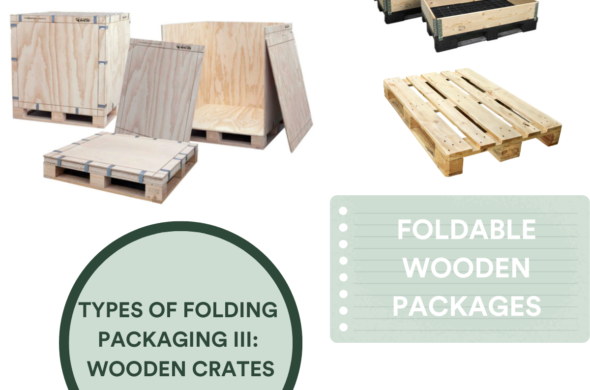
Types of folding packaging III: Wooden Crates

Wooden folding collapsible crates are one of the most widely used export packaging systems since the dawn of trade. Throughout the history of packaging, man has transformed wood into barrels, crates, cradles and boxes of large tonnage in order to obtain a robust solution that would allow him to store all types of products and be able to ship them by sea, land or air.

One of the most innovative of these has been the collapsible crate made of disassembled wood. Thanks to the development of engineering, the cumbersome, heavy and difficult-to-move models with nails have gradually fallen into disuse. In their place, a much more cost-effective, sustainable and easy-to-handle protective solution for transporting goods has emerged: the collapsible crate.


Benefits of wooden collapsible crates

It should be noted that all wooden packaging traveling outside the European Union must comply with the international standard ISPM-15, which certifies that the wood is free of harmful pests and bacteria.

Companies dealing with fragile products and international shipments often turn to wooden collapsible crates for their many advantages.

Our flagship product is Clipping Crate®:

Clipping Crate®

Easy to handle

Wood is a resistant material that can withstand shocks, vibrations and temperature changes. In addition, this type of packaging is designed to be easy to handle and to speed up opening/closing at destination or in transit (customs inspection).

Types of folding packaging III Wooden Crates

Reusable, Removable and Recyclable

Collapsible wooden crates can be disassembled and stored for future use. And they are repairable. With spare parts available, any of its parts can be easily replaced. Once it has reached its useful life, it can be returned for recycling. Thus, no waste is generated.


Customizable

It can be manufactured in standard and custom sizes, and can be personalized with the company’s brand or logo. This improves brand image and product identification during transport and storage.


Reduce costs

They are proven to help reduce the company’s logistics costs. Because they are stackable, they take up less warehouse space, which means fewer resources to store and transport them. This, coupled with their long shelf life, provides a quick return on investment.


Calculate here how much your company can save by using returnable packaging.

Types of folding packaging III Wooden Crates

Clipping Crate® System

As mentioned above, our reference product in manufacturing is the Clipping Crate®.

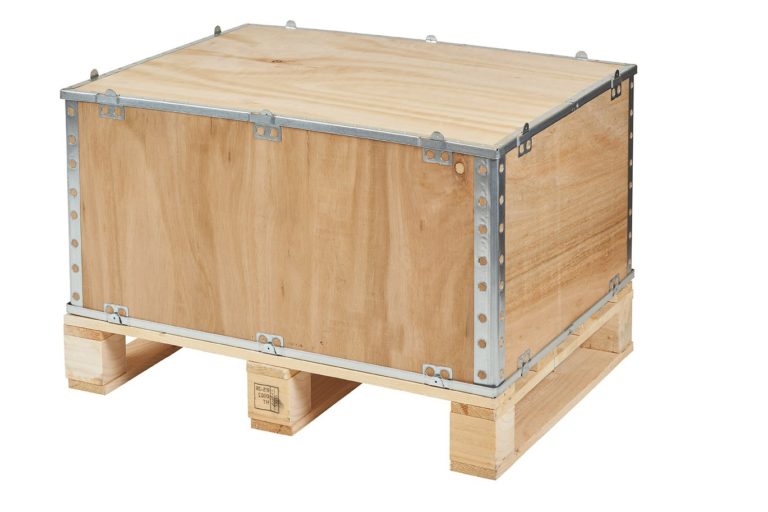
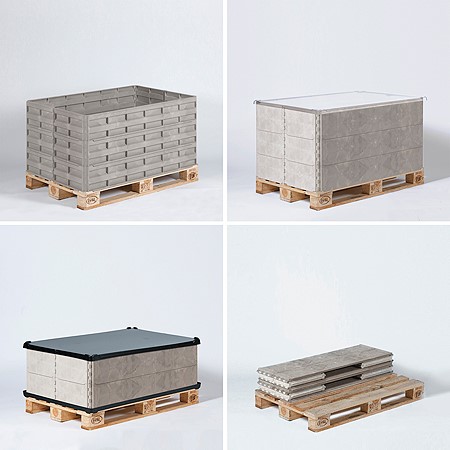
It is a reusable, economical, resistant box with an innovative design. In addition, it stands out for its closing system using galvanized zinc clips or staples, which give it flexibility. The box can be assembled and disassembled by one person in just a few minutes without the use of tools.


Contact us and start taking advantage of the benefits of folding packaging.

Loading

Types of folding packaging I: Cardboard Folding Packages

Supply chain security, inflation and sustainability are some of the major challenges that companies face. Among other things, we will discuss the advantages of folding carton packaging.

In the packaging industry, we find ourselves in a market where the demand for sustainable products is growing, the trend is to reduce single-use packaging and to optimize transport and storage costs.

Folding packaging meets all these requirements perfectly. With this post, we begin a series of articles to explain which ones are going to be the most frequently used and what benefits they bring to companies.

Advantages of Foldable Packaging

Quality folding packaging meets all the conditions for use in logistical operations with full guarantees. Their efficiency is proven every day in the storage and transport of goods in any industry.

In addition to strength and safety, they provide a series of advantages that have a direct impact on logistics cost savings:

  • Greater space utilization. When not in use, folding packaging takes up less space in the warehouse, which allows for better management.
  • Ease of handling. It is ergonomic and facilitates assembly/disassembly, with little need for tools. This cuts work times and minimizes possible damage caused by handling.

In addition, they can be made of cardboard, metal or plastic. In this post we will focus on cardboard folding packaging.

Types of folding packaging I_Cardboard Folding Packages

Cardboard Folding Packaging

By its nature, cardboard packaging is considered one of the most efficient on the market. Its popularity is increasing, due to the rise of ecommerce and the ongoing debate on sustainability and ecopackaging.

Cardboard is a natural, resistant and recyclable material, whose versatility makes it the best alternative for creating sustainable and original packaging solutions. Most are also reusable, so they can be used efficiently until the end of their useful life.

Types of folding packaging I_ Cardboard Folding Packages

Cardboard boxes and pallet boxes

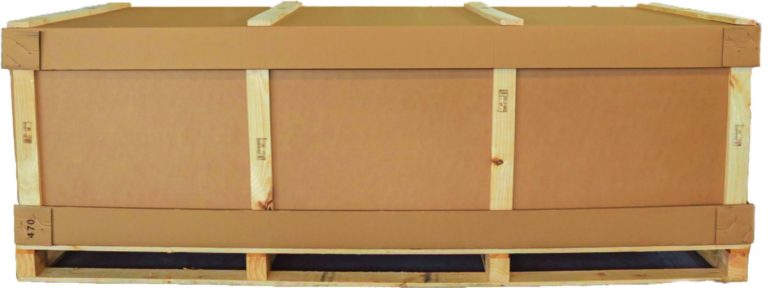
In industrial packaging we use corrugated cardboard, which, unlike other types of cardboard, is the strongest and most durable. Corrugated cardboard boxes in standard sizes or large-volume cardboard boxes can be used for packing and palletizing light and heavy goods, either alone or in combination with protective and cushioning solutions.

When the type of load requires a folding solution of greater resistance, we can opt for the pallet-box, a mixed packaging. In the pallet-box, the cardboard box is reinforced at the base and sides with wooden slats to facilitate storage and picking.
Types of folding packaging I_Cardboard Folding Packages

In 360 Eco Packaging we develop efficient packaging solutions that provide savings along the entire supply chain. Contact us.

Loading

Types of warehouses and their characteristics

One of the objectives of logistics is the optimal use of the warehouse as well as the incoming and outgoing goods operations carried out in it.

There are many types of warehouses. Each has its own logistics requirements. The product they house, the location, functionality or handling technology are some of the criteria by which we can classify the different types of warehouses.

In a company there can be one or several types: raw materials, central, spare parts, etc. In this post we will focus on the most common types of warehouses, according to their location and logistic activity.

Warehouses by logistics activity

Production warehouse

This is the warehouse where the raw materials, parts or components required in the manufacturing processes are stored. The function of the production warehouse is to ensure that the manufacturing lines run without interruption, with no shortage of supplies. For this reason, many logistics supply centers are located close to factories.

Types of warehouses and their characteristics

Central warehouse

This is where finished products from one or more industrial processes are stored. It is usually located near the manufacturing site.

The central warehouse also acts as a distribution center, supplying other regional or local warehouses that carry out the final distribution to the consumer or point of sale. From the central warehouse, the product is conditioned for the next step in the distribution chain.

Types of warehouses and their characteristics

Distribution warehouse

The distribution or supply warehouse is responsible for receiving the goods from the production center and then sending them to the end customer. It usually covers a specific geographical area and is located close to the point of consumption.

Its purpose is to guarantee supply and meet product delivery times. It is a warehouse with a high turnover of goods.

Types of warehouses and their characteristics

Transit Warehouse

Occasionally, an interim storage point is required between the central and regional warehouse. The transit warehouse functions as an interim warehouse for goods, since its purpose is to expedite deliveries or to facilitate the grouping of goods to be shipped to the same destination.

Here the stock is not stored; the flow of receipts and dispatches is continuous. This type of warehouse is often used for e-commerce logistics.

Types of warehouses and their characteristics

Temporary warehouse

Used to store stock of products for seasonal consumption, in order to meet peaks in demand.


Other types of warehouses

We have reviewed the most common warehouses, but we can find other classifications of warehouse, according to:

  • The building:

Open-air or outdoor warehouse and covered or indoor warehouse.

  • The type of product:

Raw materials warehouse, semi-finished products and finished products warehouse, spare parts and/or accessories warehouse, and containers and packaging warehouse, where the packaging of the final products is kept.

  • Level of mechanization:

Conventional warehouses, with a low level of automation or the so-called intelligent warehouses, with a high degree of automation.

Types of warehouses and their characteristics

What type of warehouse does your company use?

Loading

What is Just in Time logistics?

The world is constantly evolving. The changes that are taking place have an impact on supply chains. Industrial packaging manufacturers have to respond to the challenges posed by different logistical operations, however complex they may be, in times of greater or lesser uncertainty.

One of them is Just In Time manufacturing, which orients production to demand.

What is the Just in Time method?

The Just in Time production method is based on real orders. It consists of producing the exact amount of what is required, in the right place at the right time, without wasting system resources.

Just in Time logistics

Its origin comes from Japan. In the mid-twentieth century, large Japanese companies were looking for more efficient production systems, which in turn would allow them to reduce factory inventory. Toyota was the first company to apply the Just in Time method, under the name of Toyota Production System, in automobile manufacturing plants, with the aim of eliminating from the production process those elements that did not provide real value.

Since then, automotive companies, technology companies, fast food chains around the world and today, e-commerce companies use this model to make their processes more efficient, optimize costs and respond better and faster to customers.

Just in Time logistics

What are the advantages and disadvantages of the Just in Time method in logistics?

  • Zero defects: an error can cause delays and increase stocks.
  • Zero breakdowns: this implies scheduled maintenance of work tools.
  • Zero stocks: this generates storage and space costs.
  • Zero lead times: reducing production cycles reduces waiting times, equipment preparation and transit times.
  • Zero paperwork: reducing bureaucracy to a minimum.

Applying this method provides better management, greater flexibility and savings, but requires millimetric coordination in all the links that make up the supply chain.

Just in Time logistics

Advantages of JIT

  • Reduces inventory levels and costs associated with purchasing and warehousing, since only what is in demand is manufactured.
  • Minimizes losses, obsolete products, expired products or products that lose value when stored, by having a minimum stock.
  • Reduces time and unnecessary trips to locate the merchandise.
  • It favors a closer relationship with suppliers.


Disadvantages of JIT

  • Possible delays and lack of supplies.
  • Less access to special prices for small-scale purchases.
  • Increased costs when changing suppliers.
  • Scarce capacity to react to demand peaks.
Just in Time logistics

Packaging for Just in Time logistics

As with all other supplies, packaging in JIT operations must be available when it is needed. Companies specializing in this type of packaging must be able to offer packaging solutions that help simplify operations and speed up delivery times, that are easy to handle and help reduce storage costs.

This logistics requires ergonomic packaging, which allows assembly/disassembly in a very simple and safe way, folding solutions, which facilitate internal movements and save space, as well as customized packaging, which optimizes the logistics process to the maximum.


Contact us. At 360 Eco Packaging we can help you find the best packaging or storage solution for your Just in Time operations.

Loading

Packing for moving

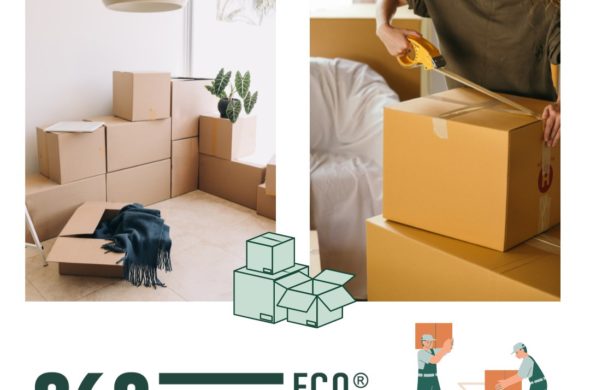
Nobody is aware of what they have until they have to move, that is why in this post we will talk about packing for moving. Moving our belongings from one place to another requires good planning, starting with choosing the optimal packaging so that the move is resolved quickly and smoothly.

Like any other type of shipment, each move will require different packaging, depending on the contents to be transported and the mode of transport.

Packing for moving

What is the most suitable packing for a move?

The packaging systems for the moving or furniture storage sector share the following characteristics:

Packing for moving

Types of packaging for moving

No two moves are the same. Moving a house is not the same as moving an office where electronic equipment and components are moved, much less a transoceanic move in a container.

Depending on the volume of material to be transported, wooden, cardboard or cardboard combined with wood packaging solutions can be used.

The most common are:

Cardboard boxes

Cardboard boxes are the most common type of packaging used in removals. As is logical, boxes of different sizes are used, depending on the needs. From a weight of 8 kilos upwards, it is advisable to use two-channel cardboard boxes, which offer greater resistance and protection.

Large-volume cardboard boxes, available with flaps or lids, are used to move large furniture and belongings.

Packing for moving

Folding wooden boxes

Plywood transport crates with lids are the most commonly used for transoceanic moves. This type of box is made of ISPM15 certified wood, so it is suitable for international shipments.

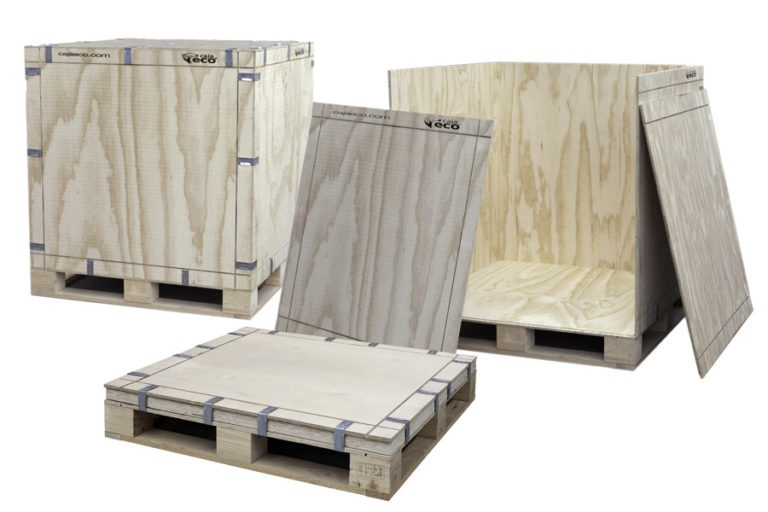
It is a reusable, stackable and collapsible box. It consists of a lid, a base with support and a very consistent central body. The anchorage of the pieces is by means of metallic tabs, which gives it great resistance.

Packing for moving

Fillings to protect the inside of the boxes

Just as important as choosing the most suitable box for a move is to have protection and padding aids to protect the contents inside.

Packing padding products immobilize objects to prevent them from suffering any impact during transportation and protect them from humidity or vibrations so that they arrive at their destination in perfect condition.

An economical solution to protect ceramic pieces, glassware or fragile products, as well as to fill the gaps left in boxes, is cardboard netting.

Cardboard corner protectors and foam profiles are essential to protect the edges on the inside and outside of the boxes.

In international moves, and especially in sea transport, inflatable bags or airbags are used as a complementary system in cargo lashing to fill the gaps in containers and prevent them from moving.

Packing for moving

At 360 Eco Packaging we can’t move your things, but we can provide you with the necessary packing material to make your move as safe as possible. Contact us.

Packing for moving

Loading

7 milestones in the history of packaging

Since ancient times man has had the need to protect his belongings, hence the following post on the history of packaging and its evolution.

Over the years the evolution of the history of packaging has been parallel to the economic and social development of the time. As manufacturers of industrial packaging, these are for us the 7 most important milestones in the history of packaging.

1. From clay to wood for transporting wine

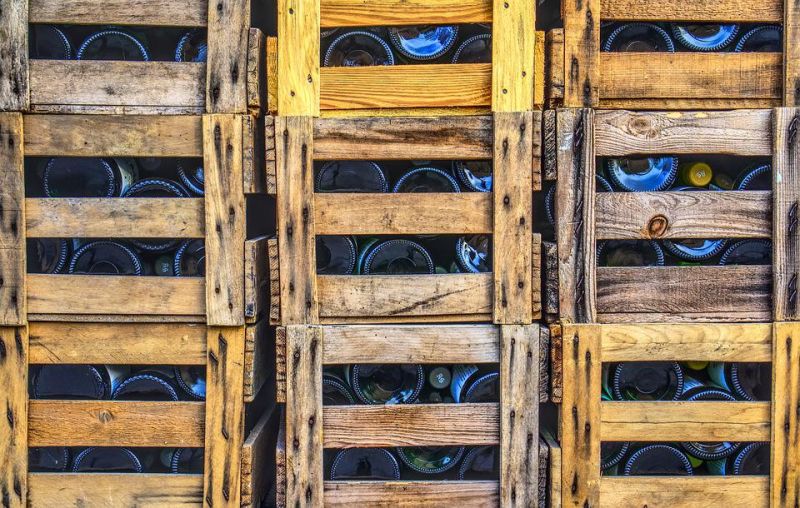
In ancient Rome, large clay containers were already used to store and transport wine. The clay amphorae and jars were airtight and protected the wine from oxidation. Upon conquering French lands, the Roman Empire discovered the wooden barrel; an easy-to-handle container, lighter and more consistent than clay for transporting wine from Greece, Gaul and Hispania.

This was the way it was done for centuries until glass arrived. In the 17th century the use of the bottle became widespread. However, wood continued to be a highly valued packaging in the logistics of the wine sector.

7 milestones in the history of packaging

 2. The emergence of corrugated cardboard

The Chinese are considered to be the first to use corrugated cardboard in the 16th century. However, it was the pleats of Victorian fashion in the mid-19th century that led to the development of corrugated cardboard.

In 1856 Healy and Allen patented in England the use of pleated paper as an inner reinforcement for stiff top hats. Years later, the American pharmacist A. Jones came up with the idea of wrapping fries in corrugated cardboard. Jones came up with the idea of wrapping perfume bottles in corrugated paper to protect them from knocks.

In 1874, Oliver Long improved Jones’ patent by adhering the corrugated paper to a flat sheet of paper and then to two flat sheets of paper. Liners were born, the structure of corrugated cardboard that provides the compression and strength of the cardboard boxes we use today.

In 1890 Robert Gair invented the corrugated box and the American Thompson and Norris Co. began manufacturing the first boxes.

Today the cardboard box is the preferred packaging for ecommerce due to its lightness, strength and low cost.

Corrugated cardboard

3. The arrival of the europallet

It was not until World War II that the use of pallets became popular for moving military equipment. Until then, wooden crates, skids or barrels were used to move the goods.

At the end of the war, the first American pallet patents were registered. However, train wagons in Europe had dimensions in which they did not fit well, so it was necessary to reduce them and regulate their manufacture so that they all had the same dimensions and could make better use of space. In the 60’s the Euro pallet was born.

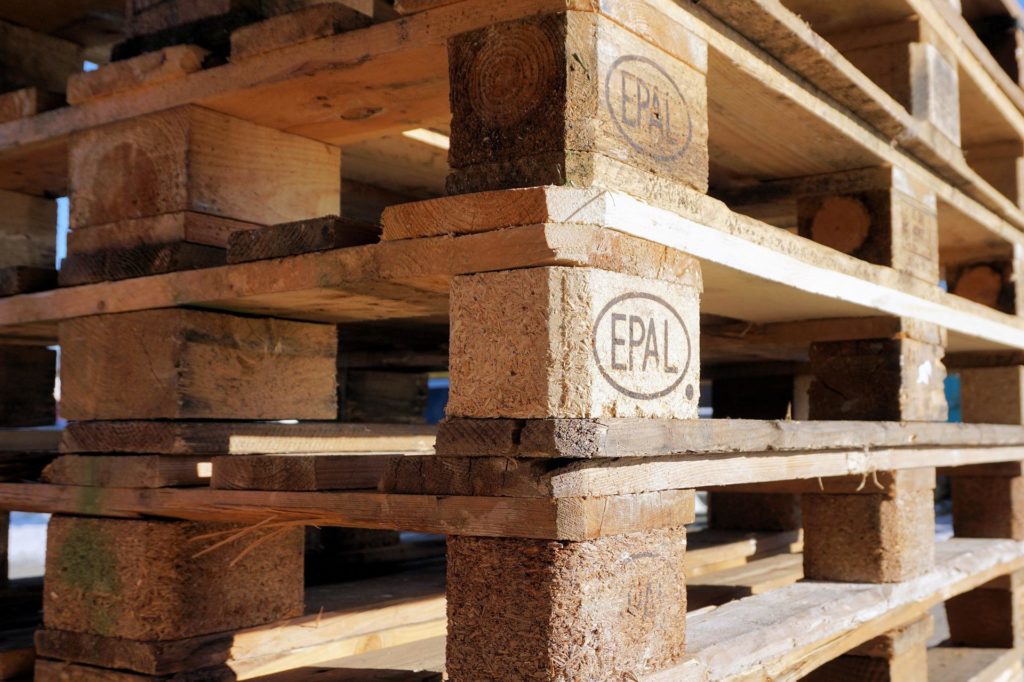
Since 1991 the European Pallet Association (EPAL) issues licenses to manufacturers and under the EPAL seal certifies the quality of the pallet and identifies reliable suppliers.

European Pallets EPAL

4. The collapsible wooden box, a step towards packaging engineering

During World War II, the Allied side had to make a great logistical effort to get weapons, equipment and medical supplies by ship and plane to the places in conflict. One of the biggest challenges was shipping war vehicles.

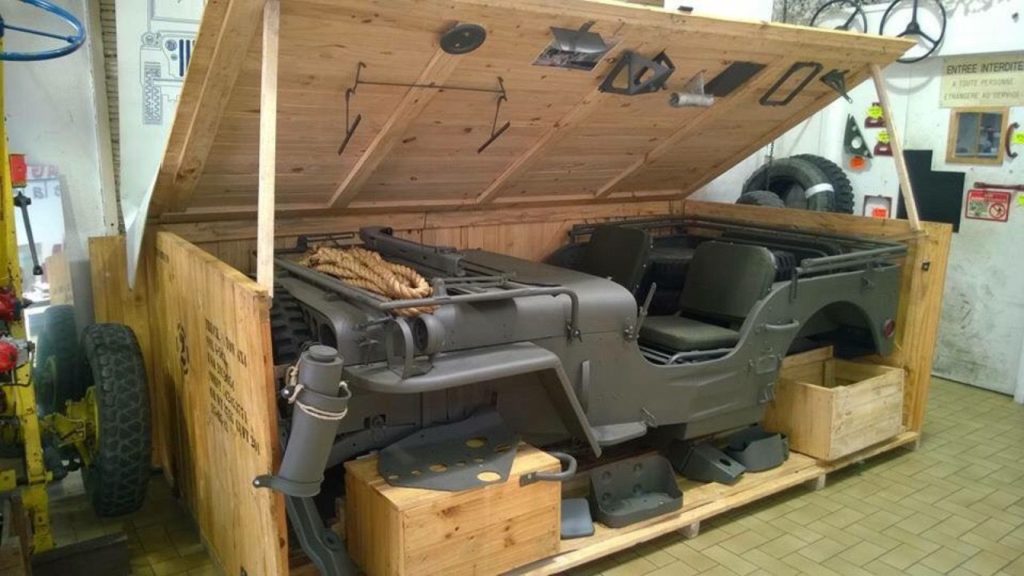
The Jeep automobile company had designed the “Willys,” an agile and rugged all-terrain vehicle, the forerunner of the 4×4 we know today. For domestic shipments, vehicles were stacked on top of each other on pallets. But shipping them across the ocean required special packaging. And an innovative solution was found: the disassemblable wooden crate.

The “Willys” was stored in pieces and once at destination the crate was disassembled, allowing access to the vehicle and assembly in a matter of minutes.

Today, packaging engineering continues to successfully meet the challenges of the automotive sector.

7 milestones in the history of packaging

5. The expansion of plastic

The origin of plastic is related to the game of billiards. An American company decided to award 10,000 dollars to whoever could create a material to replace ivory, which was scarce at the time, to manufacture billiard balls. In 1870, the Hyatt brothers chemically modified cellulose to produce celluloid, winning the contest and obtaining the first plastic in history.

In 1907, Baekeland invented Bakelite, the first fully synthetic commercial plastic, described as thermosetting, insulating and resistant to water, acids and moderate heat. In the following decades, new plastics derived from the processing of fossil fuels, such as polyethylene or polyvinyl chloride (PVC), were investigated.

At present, the applications of plastic are infinite, and it is a very common material in the manufacture of returnable containers and packaging for industrial use.

Plastic collapsible crate

6. The box that revolutionized the transport of goods: the sea container.

Since they made the first transatlantic crossing in the mid-twentieth century, sea containers have revolutionized the transport of goods. Before their appearance, ships were loaded manually, which meant long waits in port.

The businessman Malcolm McClean came up with a system whereby cargo could be stacked inside a large metal box and transported by ship or truck. Thus was born the container, which made its first trip in 1956, from New Jersey to Houston.

A decade after its first trip, the ISO (International Standard Organization) developed standards for its international use. Containerization led to a reduction in the cost and time of freight transport, giving way to intermodality.

7 milestones in the history of packaging

7. Ecopackaging and sustainable packaging

In the mid-twentieth century the packaging industry began its development and today continues to evolve.

With self-service, marketing, the computer and the internet, packaging began to spread, becoming a competitive advantage for companies and a lure for the consumer.


Foldable wooden crate

Today, the Circular Economy model and the preferences of an increasingly eco-conscious consumer force the industry to look for sustainable packaging solutions, designed from the source to reduce the use of resources and revalue their waste, without forgetting their original purpose: to protect the goods.

Loading

Cardboard, a strategic packaging for the Circular Economy

In a Circular Economy model where waste becomes a resource, the paper and board industry has a key role to play.


We know that the future of packaging involves incorporating sustainable materials, reducing the ecological footprint associated with its production and use, and that its waste can be revalued, without neglecting the purpose for which it is designed: to protect the product. In this future, cartonboard packaging will be a priority.


Cardboard as a sustainable packaging material


Cardboard is a natural, renewable, recyclable and biodegradable material. In recent years, it has been replacing other traditional packaging materials such as plastic.

Cardboard, a strategic packaging for the Circular Economy

Paper and cardboard fibers are also much stronger than previously thought. It has been shown that fiber-based packaging material – paper, cardboard, paperboard and folding cartons – can be recycled more than 25 times, retaining their mechanical properties for re-integration into the production process.

This makes it one of the most sustainable materials in the packaging sector and one of the preferred packaging solutions for the consumer.

Cardboard, a strategic packaging for the Circular Economy

Why is cardboard packaging preferred by consumers?


The way companies package their products is a matter of concern for consumers, influencing their purchasing decisions.

The European Association of Carton and Cartonboard Manufacturers reveals that 4 out of 5 consumers prefer cartons to plastic. In its report, it says that more than half of the consumers surveyed in Spain claim to have switched brands because the packaging was not recyclable or because they used unnecessary packaging. It adds that 82 percent would be willing to pay more for environmentally friendly packaging.
Cardboard, a strategic packaging for the Circular Economy

Most commonly used carton packaging

For companies interested in incorporating circularity into their packaging, cardboard packaging represents a zero-waste system of significant social, economic and environmental value.

Because of its versatility, it can be used throughout the packaging chain:

  1. Primary packaging, which is directly in contact with the product.

  2. Packaging for Ecommerce.

  3. Cargo units for storage and transport of consumer goods.

  4. Protective elements, such as interior fillers to pack merchandise shipments, or corners to avoid friction during transport.

The most commonly used cartons are:

Corrugated cardboard boxes

Can be used in standard size or large volume for packing and palletizing light and heavy goods. They are foldable, which facilitates storage, reducing space.


Pallet boxes

They are corrugated cardboard boxes placed on a wooden pallet or cardboard. Its use as commercial exhibitors has been extended by its profitability, since they serve both as product container shelf and advertising support, because the cardboard can be easily printed and incorporate gaps or shelves to place the product.


The cardboard pallet

Consists of corrugated cardboard sheets and solid cardboard blocks that are inserted as pillars. Resistant and lighter than the wooden pallet, it is also valid for international transport, without having to undergo phytosanitary treatment.


The road map to a Circular Economy is written on cardboard.


Contact us if you are interested in adding reusable packaging to your logistics.

Loading

What will be new in Packaging in 2023?


The way companies distribute their products is constantly evolving. Aspects as diverse as legislation, profitability, innovation and consumer preferences condition the changes to which logistics processes are subjected in order to meet quality, safety and efficiency requirements.


As far as packaging design is concerned, everything indicates that packaging in the year 2023 will continue to follow the path of sustainability it has taken in recent years, albeit under the imperative of regulations that will entail new fiscal obligations.

Packaging

As manufacturers of packaging solutions, we review the main innovations that 2023 will bring to the packaging sector.


Plastic tax

The Law on Waste and Contaminated Soils for a Circular Economy, which was passed last year, aims to improve the management of waste generated in Spain. Among other measures, it has established a “green tax” on plastic, in force since January 1.


According to this, all non-reusable primary, secondary or tertiary packaging containing plastic will be subject to a charge of €0.45/kg. This amount may be reduced if part of the product comes from recycled material.


Ecodesign

Spanish companies have been working for years to incorporate sustainability into their production processes in order to reduce their environmental footprint.


In fact, last year more than 2,000 Spanish companies implemented 4,632 sustainable design measures to reduce the environmental impact of their packaging.

Packaging

Achieving the EU’s reduction, reuse and recyclability objectives means knowing the principles of ecopackaging and knowing how to apply them to the design and development of sustainable packaging.


The trend will continue to be to opt for packaging that, with the minimum amount of material possible, guarantees product protection throughout the distribution chain, reducing environmental impact and the economic cost associated with transportation, while meeting consumer expectations.


Growth of online commerce

Online commerce will continue to grow, which will have an impact on packaging and logistics. Demand for packaging solutions such as corrugated boxes and products for protecting and cushioning goods will increase, and new specialty packaging and customized shipping options will emerge.

Ecommerce

Smart packaging

The use of technology applied to the field of packaging is driving a new generation of packaging. We are talking about smart packaging, which is increasingly being applied in the food, pharmaceutical and cosmetics industries.


Packaging that will change color if the product is about to expire, or that emits particles for preservation, will see the light of day throughout the year.

It is becoming increasingly common to integrate smart labels, RFID, QR codes and NFC chips into packaging. These devices provide more and better information on product quality, storage conditions and traceability.


Automation with “Pick and Place” robots will also be extended to more industries in order to bring more efficiency and flexibility to packaging processes.


What do you think of these changes, and would you add any more to the list?

Loading

Types of Returnable Packaging III: Plastic Packages

As we told you a few days ago, during this month in the blog, we talked about the different types of returnable packaging that exist.
In this post, we define plastic returnable packaging whose purpose is optimal for transportation and storage over long periods of time.


The logistics industry is beginning to clearly perceive the advantages of using returnable transport packaging systems.

Compared to single-use packaging, returnable packaging optimizes the supply chain, making it more efficient and environmentally friendly. Although this type of packaging requires an initial investment, it usually pays for itself within the first few months and leads to significant savings in logistics costs. See for yourself by calculating how much you can save per year with returnable packaging.

There is a wide range of returnable packaging solutions for every need. We have already explained which wooden returnable packaging is commonly used and which metal returnable packaging is the most commonly used. In this post we will explain the most commonly used plastic returnable packaging and its benefits.


Properties of plastic Packaging


Plastic is one of the most commonly used packaging materials. It stands out for its lightness, resistance and high protection against external factors such as humidity, temperature or microorganisms. All these innate characteristics have made it an essential packaging material for the food, agricultural and pharmaceutical sectors.

Plastic packaging can be easily handled. And because of its durability, it is a returnable packaging with an excellent price/performance ratio. Especially now, when due to the scarcity of raw materials such as wood and the rise in market prices, it is a very competitive product.


What are the most common plastic returnable packages?

The most commonly used plastic returnable packaging models are:

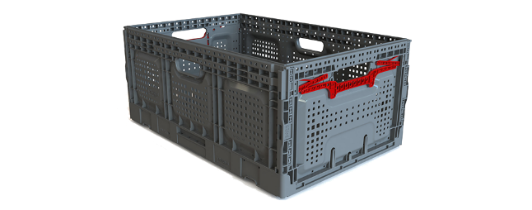
They are detachable, stackable and very versatile. They can be folded, taking up less storage space. They save 85% in return transport and storage. There is the possibility of providing the box with a lock, securing the goods. Manufactured in polyethylene and polypropylene. They are suitable for food use and are available in different sizes and types.

Foldable plastic box-FlexiCrate ©
Returnable packaging- Plastic
Reusable Packaging - Plastic packaging
Returnable packaging - Plastic Packaging
  • Removable and reusable plastic packaging.

This type of plastic packaging is characterized by its strength, low weight, reusability and re-stackability. They are available in several standard sizes that cover most of the needs of the packaging sector.

Plastic collapsible crate – Container storage box
Returnable Packaging -Plastic Packaging

Manufactured to support medium and heavy loads, plastic pallets are lightweight, durable and reusable. They are available in a range of standard sizes.

Returnable Packaging_plastic packages
  • Lego pallet/paletkit.

It is a modular plastic pallet that can be disassembled for its return. The parts that deteriorate over time can be easily replaced.  In addition, it is dimensional according to your needs. Being modular, it can be assembled as long as required and benefit from a logistical return.


  • Woodyplast collars.

These collars are manufactured with a combination of materials: 70% wood (spruce) and 30% plastic (PP + additives). This mixture is then thermoplastically processed into granules and WPC is obtained. They are highly resistant to moisture and are 100% recyclable. They are available in standard sizes.

Returnable Packaging_plastic packages

In short, there are different plastic returnable packaging that can be an efficient and cost-effective alternative to your conventional packaging system.


Contact 360 Eco Packaging. We will help you find the right solution for your logistics processes.

Loading

Presenting our Sustainable Packaging at Intersolar Europe

Presenting our Sustainable Packaging at Intersolar Europe

On May 11, 12 and 13, 360 Eco Packaging Encaja Embalajes had the opportunity to present its packaging solutions for the solar industry at the Intersolar Europe Fair, the most important exhibition of the sector worldwide, held in Munich (Germany).

The meeting was attended by Jesús Álvarez, commercial director, and José Ramón Novoa (ASTUREX; Sociedad de Promoción Exterior Principado de Asturias S.A.)

Our participation was possible thanks to the Sociedad de Promoción Exterior Principado de Asturias S.A. (ASTUREX), which organized a joint stand with 8 Asturian companies that supply products and services related to the solar energy value chain.

With commercial actions such as Intersolar Europe, ASTUREX contributes to a greater presence of Asturian companies in international markets.

On this occasion, among all the participating companies, we have highlighted the potential of the region as a producer of goods and services in the value chain of renewable energies linked to solar energy.

We were accompanied by: Alusín Solar S.L.U., Distribuciones Solares del Principado S.L. (DSP Solar), Duro Felguera S.A., Ingeniería y Suministros Asturias S.A., Mecanizados CAS S.A., Procinsa Energías Renovables S.L. and Temper Energy International S.L. (Temper).


As part of the fair, 360 Eco Packaging – Encaja Embalajes informed attendees about the most efficient packaging for transporting solar panels, sustainable packaging and the reusability of wooden packaging and its impact on logistics costs, as well as the specifications that this type of packaging must meet for export.


Why Intersolar Europe?

Intersolar Europe is one of the most significant events in the energy sector calendar.

The event brings together more than 50,000 visitors and around 1,500 exhibitors interested in showcasing their innovative products, solutions and business models for the energy transition and security of supply in Europe.


The importance of Sustainable Packaging at Intersolar Europe

As industrial packaging manufacturers, we remain attentive to market demands in order to offer solutions that meet the needs of the supply chains of each sector and customer. 

It has been an honour for us to present our Sustainable Packaging at Intersolar Europe.

See you at the next edition!

Presenting our sustainable packaging at Intersolar Europe

Presenting our sustainable packaging at Intersolar Europe

Loading

X