All posts by: 360 Ecopackaging

What types of packaging does the food industry use?

From the time they leave the factory until they reach the consumer, products in the food industry use different types of packaging. All of them are an essential part in the process of transporting, distributing and selling the product to ensure its safety and quality.


We can classify three types of packaging:

Primary Packaging

It is the one that is in direct contact with the product. Its main function is to protect it from external agents and keep its properties intact. But it is not the only one. In the food sector, the primary packaging is the first thing the consumer will see on the supermarket shelves.

It must therefore be presented in such a way that it stands out from its competitors and is attractive for purchase. In addition, the primary packaging should provide all the information that the product should include as a matter of course.

Today, there are many examples of product packaging that combine functionality, design and sustainability.

Packaging in food industry

Secondary Packaging

It is the one that contains several primary packages, grouping the product to transport several units of the same product or to facilitate the consumer the purchase of several units at the same time.

Packaging in food industry

Tertiary packaging

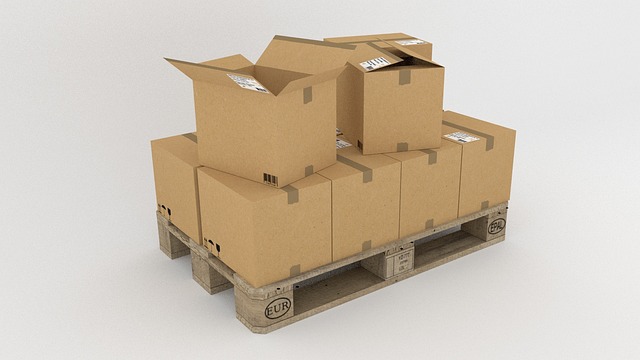
Tertiary packaging, or packaging proper, is the one that encompasses the two previous ones, protecting both primary and secondary packaging during transportation and storage. For this reason, it is often said that packaging is “the packaging of packaging”. An example of tertiary packaging would be a pallet with 10 cartons containing bottles of wine.

Tertiary packaging includes wooden, cardboard and plastic pallets, as well as large-volume cardboard boxes with or without lids, or corrugated cardboard boxes on wooden or cardboard pallets.
Packaging in food industry

Protective elements in food containers

There are also elements that stabilize the packaged products, facilitating their movement without risk of loss or breakage.


In primary and secondary packaging, adhesive tapes, glues or seals are usually used to ensure their closure. Stretch film is the most widespread option for grouping smaller packaging units.

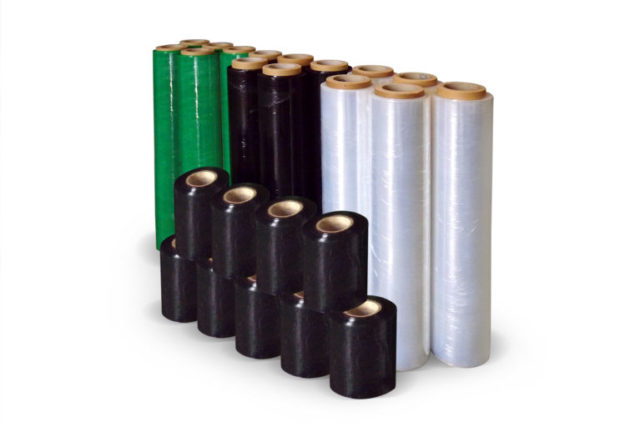
Packaging in food industry

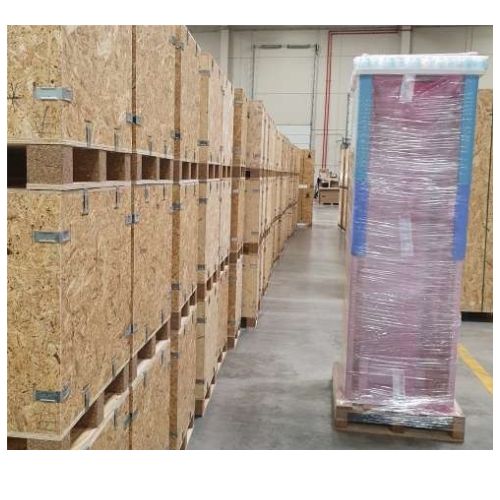
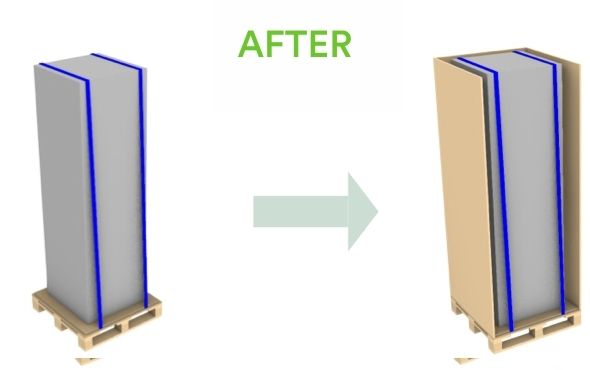
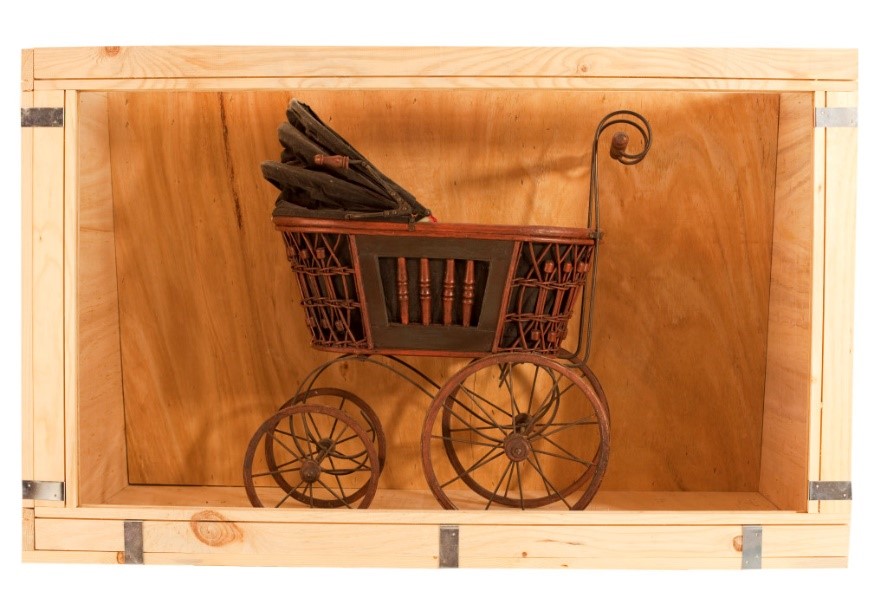
As a summary of this post, the following is an image of a product that does not belong to the food industry, but as in most products, it is also used with the three types of packaging that we have seen above.

Packaging in food industry

Loading

Packaging for Medical Equipment

Because of the huge social responsibility involved, healthcare logistics is one of the most demanding. The healthcare industry distributes medical equipment, imaging devices and high-value instruments that require packaging that protects them and keeps them intact during transport or marketing.

Fans, laboratory equipment, magnetic resonance devices, X-ray machines, medical-aesthetic equipment… All these materials are fragile, expensive and must arrive at hospitals, laboratories and medical centers in optimal conditions for their use, without the slightest damage.
 

How should be the packaging of health equipment

At 360 Eco Packaging we have been designing packaging for the healthcare sector for years. It is not only about protecting each piece of equipment, but also about optimizing the logistics chain. Therefore, our customers receive technical advice on the different types of packaging to determine the most efficient and cost-effective solution for their case.

In our experience, when choosing packaging in a delicate environment such as the health sector, we must pay attention to 4 factors:


1. Insulation

For a safe shipment it is necessary to isolate the cargo from the effects that can cause external agents such as water, water vapor, saline environment, dust, sudden changes in temperature, solar radiation, microorganisms, etc.

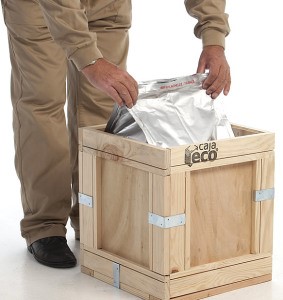
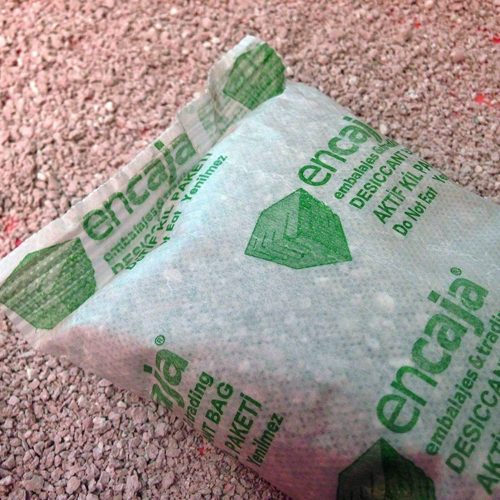
Desiccant salts and heat-sealed bags are widely used to prevent corrosion of metal and electronic products. They are particularly suitable for maritime transport or for long periods of product storage.

Desiccant Salts

2. Protection

Due to its strength and lightness, wood is an ideal material for transporting heavy and delicate products such as medical equipment and devices.

In addition, wooden packaging that complies with ISPM 15 standards is suitable for international trade and can therefore be exported anywhere in the world.

Health Equipment Packaging

Why use wooden packaging for medical equipment?

Wooden packaging such as boxes or high racks & pulp roll cradles for transporting medical equipment has many advantages:


  • They are lightweight packaging, which saves transportation costs.
  • They can be made to measure, adapting to the part or components to be transported.
  • They are returnable and reusable.
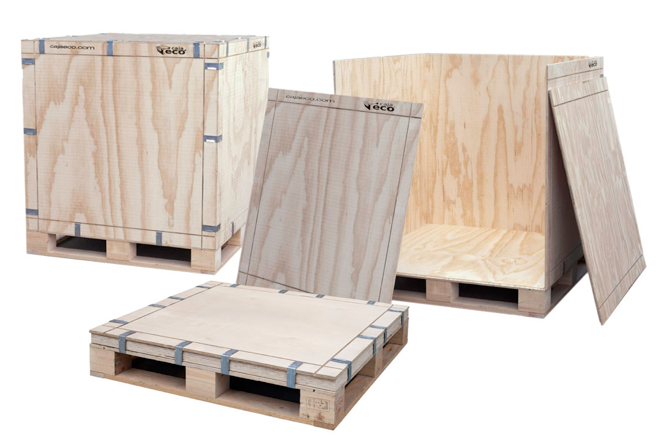
  • They do not need nails or tools. They can be assembled and disassembled quickly and safely.
  • They are designed to facilitate the loading and unloading of equipment without mechanical means. In the case of the boxes, the lid itself can be used as a ramp for moving equipment with wheels. And once disassembled, it occupies a fifth of its size, saving space and storage costs.


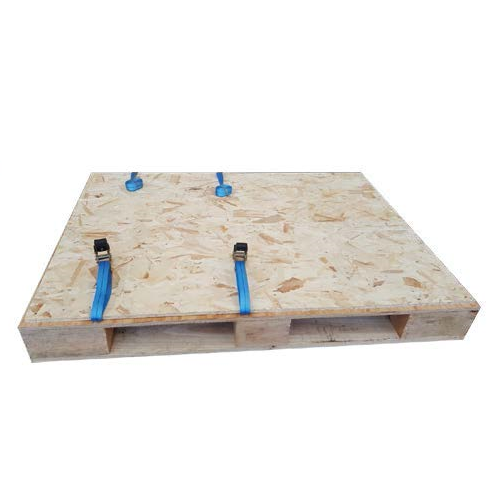
The bases with lashing system are also a very widespread solution for packaging healthcare equipment. This system allows fast and efficient fixing of the equipment to be transported by integrating the immobilization elements into the base of the box itself, reducing handling time.

Packaging for medical equipment

3. Immobilization

Once the goods have been packed, auxiliary elements are usually used to immobilize the load during transport in order to avoid possible incidents during the journey due to incorrect lashing.

Health Equipment Packaging

4. Control

If necessary, active or passive monitoring of the cargo during transport is possible. There are a multitude of systems for monitoring the goods, from humidity detection stickers to complex electronic tracking devices.


If you are a manufacturer and you are looking for a new packaging for your medical devices, implement sustainable packaging or optimize your logistics process, contact us.  We will offer you a customized solution.

Loading

Custom packaging for Electrical Equipment

Why should you use customized packaging for electrical equipment?


The use of customized packaging for electrical equipment is important because electrical equipment manufacturers work with high-value, often fragile and heavy equipment and products. Engineering, industrial and energy solutions in the sector increasingly have connections and finishes where the slightest knock can render the product unusable and result in financial loss.

This is why the supply chain in this field is one of the most demanding in terms of transport and storage, requiring packaging that offers maximum safety during the various stages of distribution.

The electrical and energy sector is also one of the most concerned with reducing its carbon footprint, so there is growing interest in the implementation of sustainable packaging.


What are the advantages for electrical equipment manufacturers of using customized packaging?


For packaging companies this poses a major challenge. For us, it is essential to carry out a technical-economic study on the basis of which we design the most efficient packaging solution to help optimize the logistics process.

In most cases, custom-made packaging is the best option, as it offers significant advantages:

  1. By adapting to the goods, they guarantee integral protection during transport.
  2. The mobility and handling of products is more efficient, saving on packaging time and auxiliary packaging costs.
  3. By reducing the use of unnecessary material, space is used and excess waste is avoided.


Wooden packaging for electrical equipment and components


Due to their strength and versatility, wood packaging for the electrical sector has proven to be the most efficient for your supply chain.

electric industry

Our wooden crates are manufactured with high quality materials, shock and humidity resistant. They have ISPM 15 Certification for international trade, being valid for all types of transport (air, sea and land).

Assembly and disassembly does not require the use of tools or nails. It can be handled quickly and safely, and once disassembled it occupies one fifth of its size, saving storage costs.

As it is modular, it can be fully utilized, since it can be used in components. The base can be used for auxiliary transports before the box is completely closed for shipping.


Success story: Registered fastening system for electrical cabinets


If you follow our blog, you will already have noticed the importance of packaging aids for securing the load during transport.

Lashing and securing elements are necessary complements because they provide additional protection.

At 360 Eco Packaging, we are always thinking about new packaging solutions, so we have investigated how to incorporate fastening systems to the packaging itself without altering its properties.

And Eureka, the result is an innovative interior REGISTERED LASHING SYSTEM FOR ELECTRICAL CABINETS .

Registered system for electrical cabinets

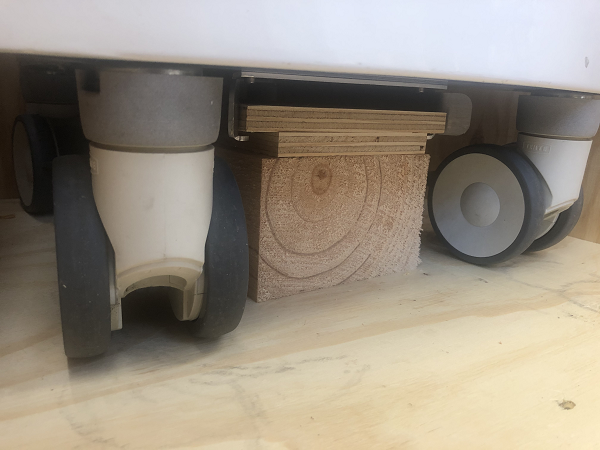
With this device we are able to fix the cabinet quickly and efficiently, by integrating the immobilization elements into the base of the box itself.

Registered system for electrical cabinets

Thanks to this system we have eliminated unnecessary packaging aids, such as pallets, supports, cleats… In this way we manage to optimize the weight and interior volume, which translates into a reduction of logistics and transportation costs for our customers, especially in air shipments.


In 360 Eco Packaging we have a wide experience in packaging for industrial sectors.

Contact us and take advantage of the economic and environmental benefits of using customized packaging for your product.

Loading

How packaging can help achieve the 2030 Agenda goals

The 2030 Agenda for Sustainable Development is a roadmap signed by UN member states in 2015 that seeks to achieve development that respects the planet and its inhabitants. That is, to do more with less.

This plan is articulated in 17 Sustainable Development Goals (SDGs), divided in turn into 169 targets, for which it requires the participation of the international community, including public and private entities such as companies, universities or governments.

This change involves all sectors and packaging was not going to be less.


Strategies for sustainable packaging – Agenda 2030

Packaging is a fundamental link in the organization of agile, efficient and environmentally responsible logistics chains.

Packaging manufacturers can help companies to be part of the change, developing strategies based on circular economy, which respond to SDG 12 “Sustainable production and consumption”, in line with European and state regulations. Among them:

  • Assess the environmental impact of our customers’ packaging and logistics processes and introduce improvement proposals to reduce the use of materials, energy and waste.
  • Prioritize the use of recyclable and/or biodegradable materials.
  • Work from eco-design to avoid over-packaging, adapting the packaging to the product or merchandise.
  • Optimize packaging processes, opting for reusable solutions that extend its useful life and contribute to minimize space, reduce transport flows and CO2 emissions.
  • Transparently communicate sustainability certifications and seals.
  • Establish alliances with suppliers committed to sustainability.


Our commitment to the 2030 Agenda

As a supplier of sustainable packaging, we have been developing comprehensive solutions in the field of logistics, transport and packaging for years. This has enabled us to make progress on several goals of the 2030 Agenda and to consider new ones:

Title

Goal 8: Decent work and growth

We believe in the labor integration of young people. Since our inception, we have collaborated with public services in training programs taught at our facilities.

We also collaborate in job placement programs, such as the Incorpora Program of La Caixa.

Title

Objective 9: Industry, Innovation and Infrastructure

We participate as a member of the Subcommittee CTN 192 SC 03 (UNE/ISO) for the development of a new regulation in the field of transport of dangerous goods, together with AENOR and the Ministry of Industry.

We belong to the Packaging Innovation Cluster of the Valencian Community and collaborate with technological centers such as AIDIMME or ITENE.

Title

Objective 12: Sustainable production and consumption

We subject our manufacturing processes to quality control systems. We are ISO9001, PEFC/FSC (chain of custody) and ISPM 15 (phytosanitary regulations for export) certified.


In addition, our flagship product, the Clipping Crate ®, is a reusable and removable crate model.

Title

Title

Goal 13: Climate Action

We design and manufacture sustainable and returnable packaging based on technical and economic feasibility studies, allowing customers to produce less waste and reduce CO2 emissions.

Title

Packaging 2030

Objective 15: Terrestrial ecosystem life

We are committed to the conservation and sustainable management of forests. We are a PEFC/FSC certified company, which accredits our products as coming from sustainable logging or recycling.

Loading

What will be new in Packaging in 2023?


The way companies distribute their products is constantly evolving. Aspects as diverse as legislation, profitability, innovation and consumer preferences condition the changes to which logistics processes are subjected in order to meet quality, safety and efficiency requirements.


As far as packaging design is concerned, everything indicates that packaging in the year 2023 will continue to follow the path of sustainability it has taken in recent years, albeit under the imperative of regulations that will entail new fiscal obligations.

Packaging

As manufacturers of packaging solutions, we review the main innovations that 2023 will bring to the packaging sector.


Plastic tax

The Law on Waste and Contaminated Soils for a Circular Economy, which was passed last year, aims to improve the management of waste generated in Spain. Among other measures, it has established a “green tax” on plastic, in force since January 1.


According to this, all non-reusable primary, secondary or tertiary packaging containing plastic will be subject to a charge of €0.45/kg. This amount may be reduced if part of the product comes from recycled material.


Ecodesign

Spanish companies have been working for years to incorporate sustainability into their production processes in order to reduce their environmental footprint.


In fact, last year more than 2,000 Spanish companies implemented 4,632 sustainable design measures to reduce the environmental impact of their packaging.

Packaging

Achieving the EU’s reduction, reuse and recyclability objectives means knowing the principles of ecopackaging and knowing how to apply them to the design and development of sustainable packaging.


The trend will continue to be to opt for packaging that, with the minimum amount of material possible, guarantees product protection throughout the distribution chain, reducing environmental impact and the economic cost associated with transportation, while meeting consumer expectations.


Growth of online commerce

Online commerce will continue to grow, which will have an impact on packaging and logistics. Demand for packaging solutions such as corrugated boxes and products for protecting and cushioning goods will increase, and new specialty packaging and customized shipping options will emerge.

Ecommerce

Smart packaging

The use of technology applied to the field of packaging is driving a new generation of packaging. We are talking about smart packaging, which is increasingly being applied in the food, pharmaceutical and cosmetics industries.


Packaging that will change color if the product is about to expire, or that emits particles for preservation, will see the light of day throughout the year.

It is becoming increasingly common to integrate smart labels, RFID, QR codes and NFC chips into packaging. These devices provide more and better information on product quality, storage conditions and traceability.


Automation with “Pick and Place” robots will also be extended to more industries in order to bring more efficiency and flexibility to packaging processes.


What do you think of these changes, and would you add any more to the list?

Loading

Boxing Day

Today, December 26, Boxing Day is celebrated in the United Kingdom and other countries such as Ireland, Canada and Australia. It is considered a national holiday. The idea of this day is to promote charity with the most disadvantaged.

Boxing day

Boxing day

Its origin is not very clear. It is believed that it comes from the custom of the aristocracy to give the day off to the servants for their services on Christmas Day, so that they could visit their families. On that day they were given a Christmas-box, a box containing gifts, food and tips.

Others point out that it was a tradition in the Church to open on the feast of St. Stephen (December 26) the boxes with the donations of the parishioners to distribute them among the poorest. It seems that even today some churches continue to open their boxes on Boxing Day.

Since 1871, Boxing Day has been an official public holiday in the United Kingdom, although the way it is celebrated today is far from the charitable nature of that time.

Apart from being a public holiday and the fact that in some companies it is customary to give their employees some kind of gift, Boxing Day is a day to meet and enjoy with family and friends.

A date on which a multitude of sporting events are scheduled (it is one of the big days of the Premier League), outdoor shows, exhibitions, even commercial actions to boost sales, with offers and discounts.

As is often the case with many traditions, time will tell whether it will remain just another party for leisure and consumption or will continue to maintain its charitable spirit. What do you think? ?‍♂️?‍♀️

Loading

Aluminium Foil Barrier

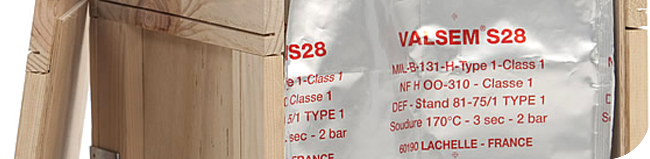
The Heat-Sealable bag, Insulating bag or Aluminium Foil barrier material is a widely used element in packaging to prevent corrosion, especially when it comes to metal packaging and electronic items.

Aluminium Foil Barrier

It is used in conjunction with desiccant salts precisely to prevent moisture from oxidizing the metal on long ship voyages, but is also used for long-term protection of machinery and other products, for example, for storage if long-term storage is planned.


COMPOSITION

This material is mainly composed of aluminum and polyethylene. Depending on the manufacturer, the proportion of each material and even the type of plastic used may vary. For example, sometimes polyester, PET plastic or polypropylene are added. As for polyethylene, it can be of high or low density.

Some barrier materials have more plastic than aluminum or vice versa. The quality and correct protection of the product will depend to a large extent on the total thickness of the barrier film from which the bags are made and how many grams it weighs per square meter, as well as the proportion of aluminum it contains. The more aluminum the material contains to the detriment of plastic, the lower the vapor transmission inside the container.

This material is waterproof and resistant to external factors such as ultraviolet rays.


PRESENTATION

Generally we can find this material in rolls whose measures can vary according to the customer’s needs, although it is also common to find manufacturers and companies that sell ready-made bags with the measures that the customer deems appropriate.

Aluminium Foil Barrier

The aluminium foil barrier bag can also be vacuum sealed if desired, with the help of special machines that absorb oxygen from inside the bag. In this way, the product is better protected against oxidation.

There are several ways of sealing this bag. As its name suggests, the most common way is with heat, although we can also opt for plastic closures that seal the container.

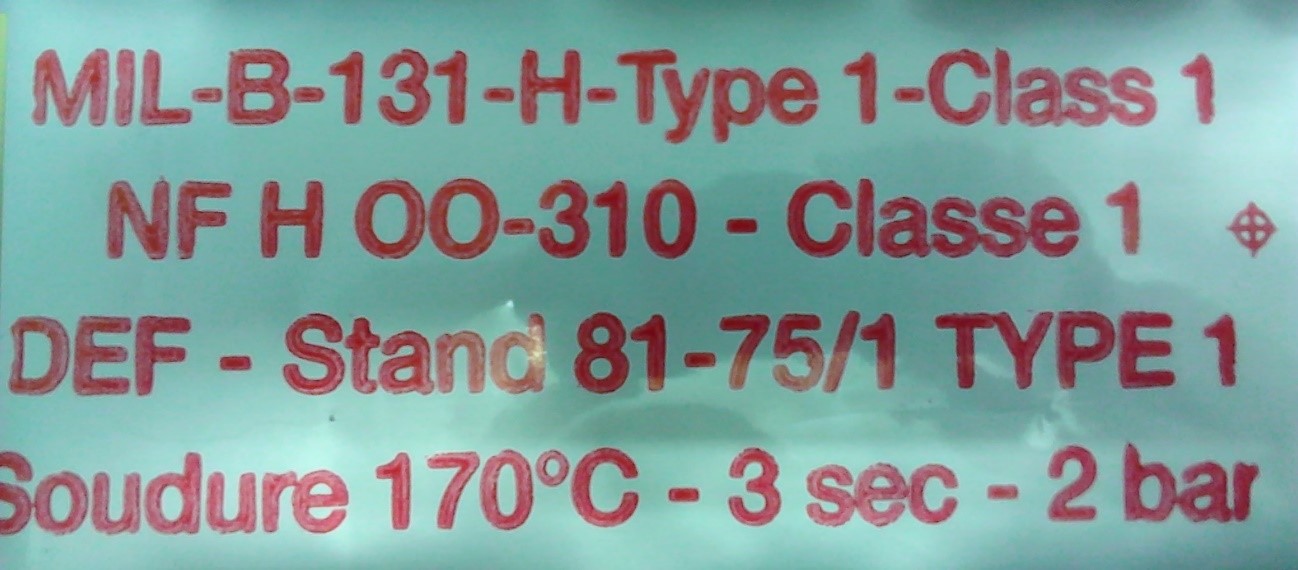
This material can also be printed, so it is common for a company to print its own corporate logo, as well as the specifications of the material and the temperature to which it must be subjected for sealing.

This material must be manufactured in compliance with DIN 55531-1, which is the German and European standard in general.


Other world standards equivalent to this norm that can be found are the following:

  • USA: MIL-B-131.
  • France: NF H 00310.
  • Germany (military classification): TL 8135-0003.
  • United Kingdom (military classification): DEF STAN 81-75/1.
Aluminium Foil Barrier

To conclude, it is convenient to point out the main difference between aluminum barrier material and other plastic materials that we will see later, such as shrink film or VCI. For long boat trips, adverse weather conditions or long storage periods, aluminum is the most convenient option for the correct protection of the product against plastic compounds, since it is much more resistant.

Loading

How to Choose Good Packaging?

In the last posts we have talked about the importance of packaging and the conditioning of the load inside it, as well as its monitoring by means of active or passive control systems (impact detectors, verticality,…).


In today’s post we are going to focus on the different competitive advantages that packaging can provide.

How to Choose Good Packaging

A good choice of packaging system can be key to ensure a correct shipment and savings in transportation costs, the packaging must be designed to suit the load to be transported, thus optimizing weight and volume and saving on handling and transportation costs.

How to Choose Good Packaging

The use of reusable packaging in addition to saving resources consumed by the planet is an effective cost saving, we must study whether this option is viable for our company and define which model of those on the market is best suited to our needs (reusability, weight, functionality, strength, …).

How to Choose Good Packaging

Reusable and desassemble packaging – Clipping Crate® System

As for the tangible part of what a good packaging can bring us in addition to resistance and functionality, as we have seen, cost savings is one of the main parameters to take into account.

As for the intangible part, we must appreciate that the packaging is the letter of introduction of our product, it says more in 10 seconds (quality, type, image, dimensions, weight …) than any sales manager can tell us in hours.


Discover here the Clipping Crate® System, a high quality reusable crate model.


We must use this salesperson to show our product to the consumer, even before the product comes out of the box.


In today’s post we have seen how the choice of something as “simple” as packaging can save us handling and logistics costs, as well as increase the value of our product by giving it an improved image.

Loading

Passive Control Devices, Which One Should We Use?

After several posts analyzing and then looking at case studies of humidity control (desiccant salts) we are going to talk again, but this time in a more practical way, about passive control elements.

Passive control devices

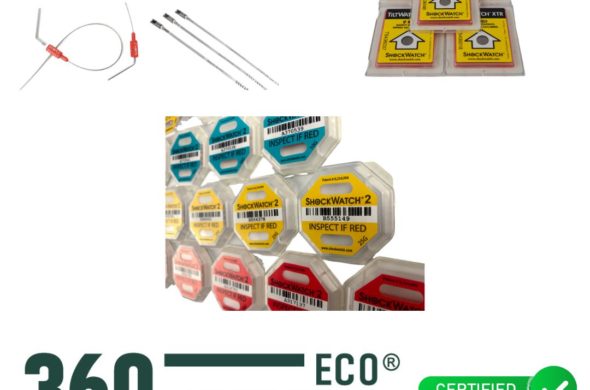
To verify that our fixation or control of the environment has been correct, we must use passive control devices that will tell us once at destination if the goods have suffered any stress during the trip. For this we must use impact detectors to measure accelerations and humidity and temperature detectors to measure the atmosphere in which the cargo has been transported.


How do I know which impact detector to use?

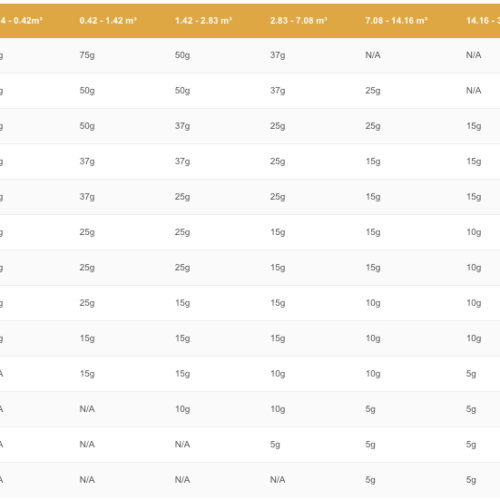
For this we must know well what load we are going to transport and how sensitive it is to accelerations and in which axes. Once known we must take as a unit of measurement the units “g” to know what resulting acceleration depending on its weight must support, so that the more “g” less sensitivity (loads with lower weights and volumes). For example, if we want to transport a device of 10Kg and 0.5 m3 with a normal sensitivity, we should take as an approximate reference an impact detector of 50g.  Here is an indicative table:

Passive control devices

Are there impact detectors that monitor the entire route?

For the transport of a load that we need to monitor in real time and have a database with all the transport parameters we will need to use an electronic impact detector or logger.  These devices would allow us to measure periodically accelerations, temperature, humidity… and then download this data to our pc to analyze them.


Once I have this device, how should I place it?

Finally, these devices should usually be placed on the longest side and at a height equal to or greater than 2/3. If you see that this device has triggered (usually it will show a red color) indicates that it has exceeded the defined tare.

Passive control devices

In the case of guaranteeing a controlled humidity atmosphere we must use humidity detectors, these devices as well as impact devices allow us to easily identify if the load has suffered any stress on the way.


There are control elements with several scales where we would show the maximum humidity levels to which our product has been exposed, so we will have to define on which safety scale our product should be transported.


As we have seen, after a correct conditioning it is essential to monitor it to have a feedback on how the transport has been developed to adjust it if necessary in subsequent shipments.

Loading

Case study, Use of Desiccant Salts

In the previous post we have seen what a DIN unit is and the degree of absorption per unit, therefore we must remember that a DIN unit is equivalent to an absorption of 6g of water and that to absorb these 6g of water approximately 30g of desiccant salts are necessary (depending on the type of salt and the conditions).

Desiccant Salts

Having recalled the previous post, we consider a practical case for a part of dimensions 1150x750x750mm (length x width x height) to be transported in a box equipped with a thermoweldable bag of inner dimensions 1200x800x800mm.


To calculate the volume of air enclosed between the box and the part we must find the differential of volumes, therefore:


1,2 x 0,8 x 0,8 – 1,15 x 0,75 x 0,75  = 0,121 m3


Once this data has been calculated, we go to the formula:


n = 1/a · ( V · b + m · c + A · e · D · t )

And we calculate the number “n” of DIN units replacing each constant by its value, (to know the value of these parameters do not hesitate to visit our previous post).

The result would be n = 2 approximately, so about 60g of desiccant compound would be necessary for this packaging. We must bear in mind that it is always better to distribute these salts proportionally so that the atmosphere always maintains homogeneous humidity levels, so whenever possible we will use several bags distributed homogeneously.

Desiccant Salts

As we have mentioned in previous posts, it is important to define the volume of air that we want to maintain with low humidity levels in order to calculate the number of DIN units that will be necessary. Once we know this information, our supplier will tell us the exact grams of salt that we will need depending on its composition.

Loading

X