Industrial packaging

Mechanical Impact Detectors

There are two types of impact detectors: mechanical and electronic.

This time we will focus on mechanical devices, they are the most used and the most affordable due to their simple architecture. They are capable of detecting impacts on one or more axes and there are tared models with different g-force sensitivities.

Mechanical Impact Detectors

Therefore, we can classify these detectors as:


One-dimensional

Mechanical detectors that capture accelerations in only one axis (one direction and two directions).

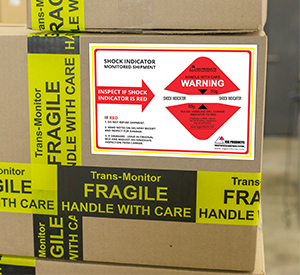
These detectors are the most commonly used, there are sticker type (with adhesive) that are easily anchored to the packaging to be controlled.
Mechanical Impact Detectors

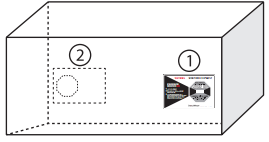
Their placement is generally:

  1. For a box with a side-to-side proportionality of approximately 1:1
Mechanical Impact Detectors

2. For a box with approximate side-to-side ratio > 2:1
Mechanical Impact Detectors

3. The heights “h” at which the indicator should be positioned may vary depending on the load, the g-force and the manufacturer.

Most of these indicators are activated by changing color (red) when the maximum set acceleration has been exceeded, it does not show a history of events, for that an electronic detector would be necessary.


Two-dimensional


Mechanical detectors that capture accelerations in two axes (two directions with their two senses).

These detectors are capable of detecting impacts in two directions and even show the direction, sense and modulus of the maximum force to which the load was subjected as shown in the above simulation (provided it is within the operating range of the detector).

Mechanical Impact Detectors

Their placement is generally done by means of four screws (per detector) and unlike the one-dimensional ones, their location in the case does not generally interfere in the operation.

There are two main types: magnetic and combined sphere-spring system.

Both are two-dimensional and allow the working accelerations g to be adjusted (depending on their type of construction).

Loading

Cardboard, a strategic packaging for the Circular Economy

In a Circular Economy model where waste becomes a resource, the paper and board industry has a key role to play.


We know that the future of packaging involves incorporating sustainable materials, reducing the ecological footprint associated with its production and use, and that its waste can be revalued, without neglecting the purpose for which it is designed: to protect the product. In this future, cartonboard packaging will be a priority.


Cardboard as a sustainable packaging material


Cardboard is a natural, renewable, recyclable and biodegradable material. In recent years, it has been replacing other traditional packaging materials such as plastic.

Cardboard, a strategic packaging for the Circular Economy

Paper and cardboard fibers are also much stronger than previously thought. It has been shown that fiber-based packaging material – paper, cardboard, paperboard and folding cartons – can be recycled more than 25 times, retaining their mechanical properties for re-integration into the production process.

This makes it one of the most sustainable materials in the packaging sector and one of the preferred packaging solutions for the consumer.

Cardboard, a strategic packaging for the Circular Economy

Why is cardboard packaging preferred by consumers?


The way companies package their products is a matter of concern for consumers, influencing their purchasing decisions.

The European Association of Carton and Cartonboard Manufacturers reveals that 4 out of 5 consumers prefer cartons to plastic. In its report, it says that more than half of the consumers surveyed in Spain claim to have switched brands because the packaging was not recyclable or because they used unnecessary packaging. It adds that 82 percent would be willing to pay more for environmentally friendly packaging.

Cardboard, a strategic packaging for the Circular Economy

Most commonly used carton packaging

For companies interested in incorporating circularity into their packaging, cardboard packaging represents a zero-waste system of significant social, economic and environmental value.

Because of its versatility, it can be used throughout the packaging chain:

  1. Primary packaging, which is directly in contact with the product.

  2. Packaging for Ecommerce.

  3. Cargo units for storage and transport of consumer goods.

  4. Protective elements, such as interior fillers to pack merchandise shipments, or corners to avoid friction during transport.

The most commonly used cartons are:

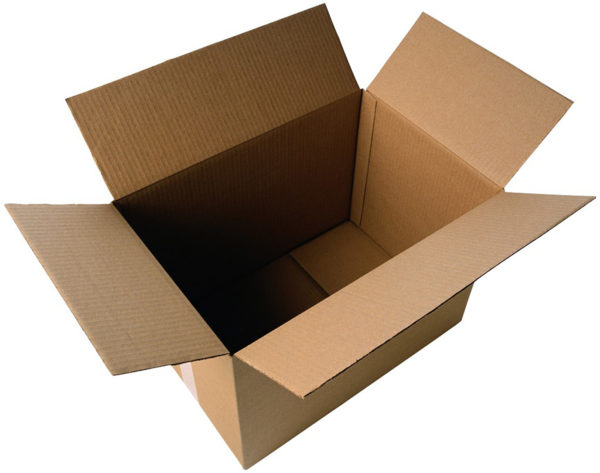
Corrugated cardboard boxes

Can be used in standard size or large volume for packing and palletizing light and heavy goods. They are foldable, which facilitates storage, reducing space.


Pallet boxes

They are corrugated cardboard boxes placed on a wooden pallet or cardboard. Its use as commercial exhibitors has been extended by its profitability, since they serve both as product container shelf and advertising support, because the cardboard can be easily printed and incorporate gaps or shelves to place the product.


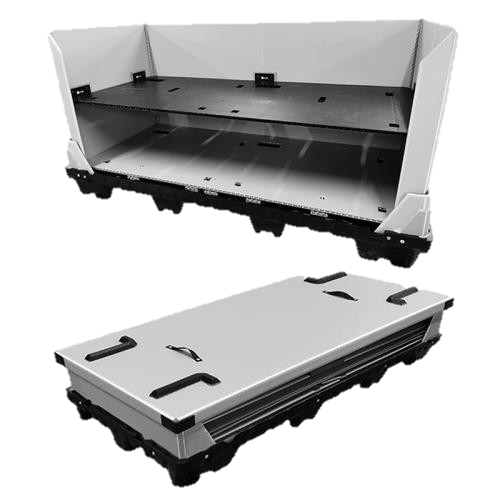
The cardboard pallet

Consists of corrugated cardboard sheets and solid cardboard blocks that are inserted as pillars. Resistant and lighter than the wooden pallet, it is also valid for international transport, without having to undergo phytosanitary treatment.


The road map to a Circular Economy is written on cardboard.


Contact us if you are interested in adding reusable packaging to your logistics.

Loading

What is the Best Packing Material

We begin by showing you a list of some of the most common packaging materials and their main advantages.

The choice of the best packaging material depends on the type of product to be transported or stored, as well as the conditions to which it will be exposed.


Cardboard:

It is a versatile and economical packaging material that is commonly used for boxes and packaging. It is durable and easy to recycle.

What is the Best Packing Material

Plastic:

It is a durable and durable packaging material, making it ideal for products that require protection against water or moisture. However, it can sometimes be difficult to recycle.

What is the Best Packing Material

Wood:

It is used for the manufacture of packaging that requires greater resistance to shocks and impacts, such as drawers or industrial pallets.

What is the Best Packing Material

Taking into account everything seen above, we conclude that there is no material that is best for all situations, but it is important to carefully assess the needs of each product and the conditions to which it will be exposed in order to determine the most suitable packaging material.

Loading

Clipping Crate (Features)

We have been reviewing different packaging products that help us to preserve and transport our goods in perfect condition, all of them for sale in our company.

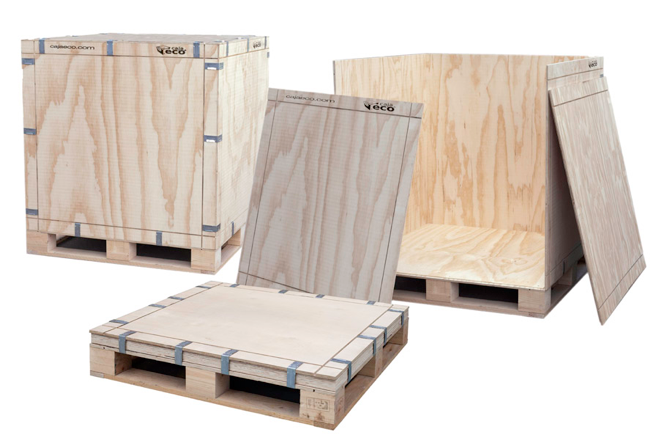
For this reason, today is the turn to talk about our flagship product, the Clipping Crate. A reusable, economical, easy, waterproof box with an innovative design: the packaging of the present and the future.

After years of research, what started as an idea came to life and became a serious project to improve the wood packaging sector as we knew it. Gone were the bulky boxes built with nails, difficult to move and of great volume and weight.


What is the Clipping Crate?


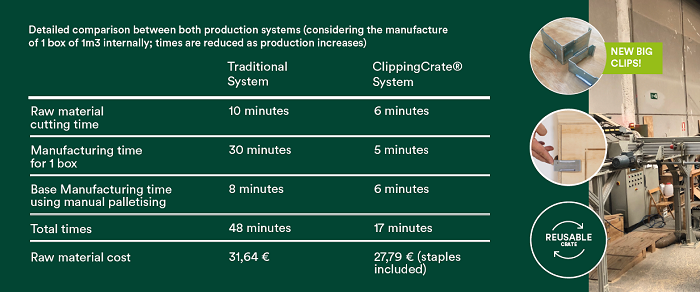
360 Eco Packaging is one of the first European companies to have patents in the packaging sector, one of them is the Clipping Crate, the first with fastening system by staples or galvanized zinc clips, which provide strength and flexibility. In this way, a single person can assemble and disassemble the box without the help of tools.

Clipping Crate (Features)

How does it work?


It facilitates the packaging of products difficult to move, especially when it comes to goods with a lot of weight and volume, since, once placed on the base, it is only necessary to place the corresponding sides and lid securing them with staples, easy and fast wood.

Since many international shipments are opened for customs inspection, it is a useful tool that can be opened and closed in the same way without damage to the box or nails to be nailed and uncoiled, saving time and worries.

Clipping Crate (Features)

Why do I save with Clipping Crate?


Being a detachable box, it saves logistics costs, since it takes up less space, either for transport or to be stored. It is not necessary to have a large amount of free space for storage until its reuse and, in terms of transport, costs are greatly minimized, since the height of the folded and palletized box decreases.


What size boxes have?


The Clipping Crate is standardized, which means that we have a wide range of measures in stock to cover any need, without forgetting that each packaging is unique and, In the same way, the customer who wishes can request your customized Clipping Crate with the measures you need.

Foldable wooden Clipping Crate (Features)

Can it be reused?


The Clipping Crate, for its strength and durability, can be used again, although the number of reuses is subject to the material of the box (plywood, OSB or chipboard) and to the use that is granted at all times.


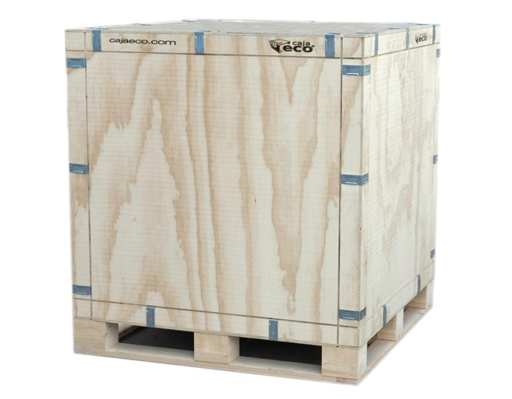
Made of 15 mm plywood for the sides and 12 mm for the cover and base, makes up the high range of our product to be the most resistant.

Clipping Crate (Features)

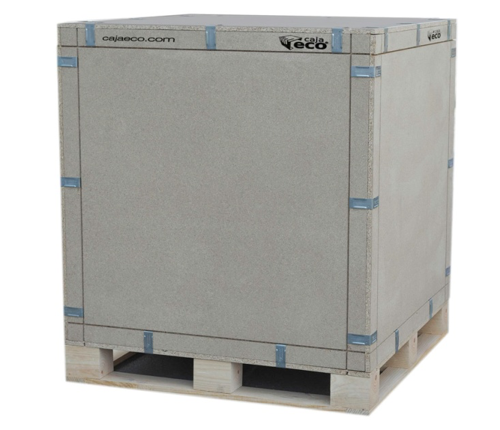
Made of chipboard, is the most economical and has the least capacity for reuse. Its sides, lid and base are 15 mm thick.

Clipping Crate (Features)

Made of OSB 15 mm for the sides and 12 mm for the lid and base, is the standard quality-price product, since this material, in addition to strong, is economical, so it represents the best alternative to obtain the highest quality at the lowest price.

Clipping Crate (Features)

What does it mean that the box is eco-friendly?


The wood we use for our boxes comes only from sustained felling. In this way, we help to stop the indiscriminate felling of trees, protecting the environment. It has the distinctive international PECF that guarantees the correct environmental management of the forests from which it comes. In addition, our commitment is to plant one tree for each Clipping Crate supplied.

Not only that, but thanks to its reuse and the replacement of damaged parts, we contribute to consuming less wood, a material that is also easily recyclable.


Soon we will have a new post with more information about our flagship product the Clipping Crate.

Loading

Clipping Crate (Export & Availability)

Our flagship product, Clipping Crate. A reusable, economical, easy, waterproof box with an innovative design: the packaging of the present and the future.

Whenever you want to review our wide range of products do not hesitate to enter our company’s website.

Now we continue explaining different features of our Clipping Crate.


Can I export with Clipping Crate?


All our wood has been subjected to heat treatment, having reached 56º Celsius in the center for at least 30 minutes, so we comply with the international standard ISPM-15 which certifies that the wood is free of pests and harmful bacteria. This is an essential requirement for all wooden packaging traveling outside the European Union.


What if the crate is damaged?


Thanks to its design, the Clipping Crate has its own system that allows damaged parts to be replaced, whether they are sides, lids or bases, so that the damaged part only needs to be replaced by another with identical characteristics without the need to buy a new box.

Clipping Crate (Export & Availability)

How and when can I get my Clipping Crate?

Thanks to a simple storage system designed for the Clipping Crate, the customer can have all the standard components he wants with a delivery time of 24 to 48 hours in Spain, transport costs included, which avoids stressful situations that many companies suffer given the unforeseen events that can always arise at the last minute.

Clipping Crate (Export & Availability)

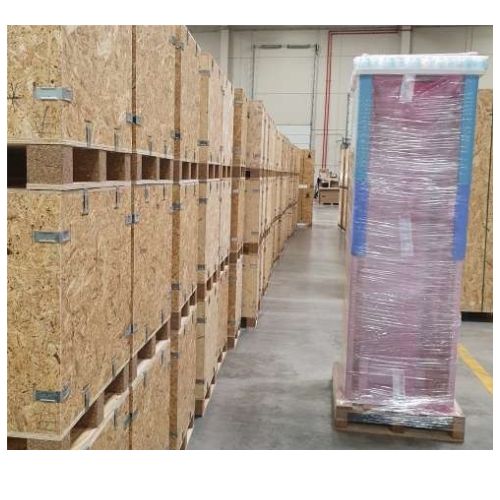
This storage system allows us to see the available stock of each reference at all times, being able to store up to 400 boxes, in such a way that, as shown in the image, the large boxes containing boards have small glazed windows in which up to 10 boards can be observed horizontally, facilitating the stock count. On its base, each box has a reference to indicate whether it is a side, top or base, followed by a number that identifies the length by width of the board.

Taking into account that many of the references of sides, tops and bases can be combined with each other, with only 15 references of sides, 17 of tops and bases, up to 34 different boxes can be created, all standardized and made available to the customer immediately.


Why Clipping Crate?


As if all the above were not enough, Clipping Crate also offers you the possibility of taking care of your product’s image in two ways:


  • Its careful design makes it an extension of your brand, taking care of the details and providing a modern, simple and not at all clumsy packaging, unlike other conventional wooden packaging. Useful both for transporting a load and for interior design or commercial stands, thanks to its accessories (handles, closures, wheels or upholstery).
Trade fair_Clipping Crate (Export & Availability)
  • We also have laser marking for printing your own logo or company slogan on the panels, so you can further customize your Clipping Crate to suit your business needs.
 

With Clipping Crate all are advantages: the best price, the best quality, the most careful design and the greatest possible reuse linked to the lowest cost and care for our environment.

Loading

How many Pallets can fit in a trailer?

Palletizing facilitates the process of transporting, handling and storing goods, while protecting them at the same time. In addition to making loading and unloading times profitable, another advantage of correct palletizing is that it saves space by making the load uniform.


How many pallets can fit in a trailer?

To calculate it, we will have to take into account the type of pallet we are going to use, as well as the size of the box of the truck in which our goods will be transported. In this case, we will refer to the trailer because it is one of the most used vehicles in the transport of goods by road.

How many pallets can fit in a trailer

What is the difference between the standard pallet and the Euro pallet?

Not all pallets are the same. According to their measurements, we can distinguish two types of pallets:


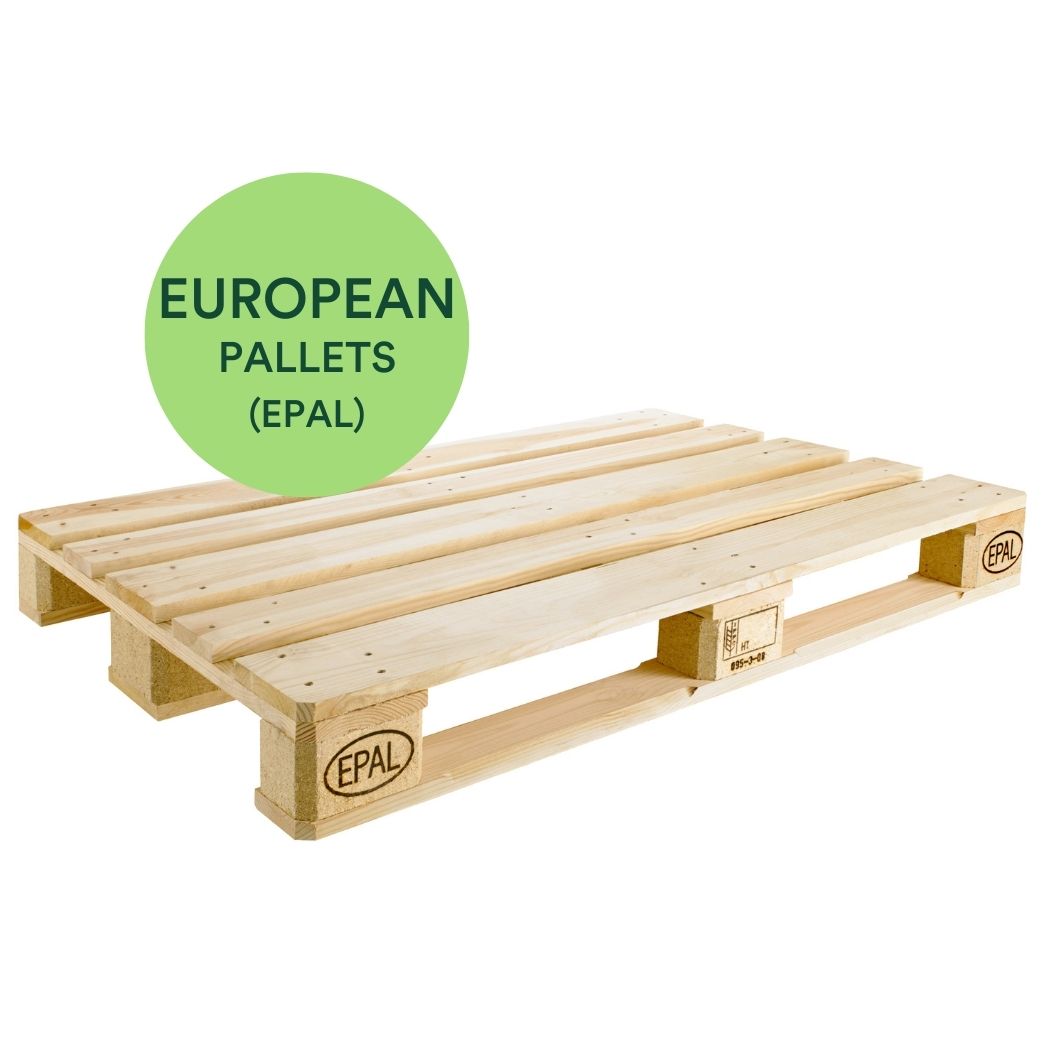
Measures 0.8 meters x 1.2 meters. It is the most common in transport and logistics in Europe.

European Pallets EPAL
  • The American pallet

Also called standard pallet: It measures 1 meter x 1.2 meters. It is mainly used in the American and Japanese markets.

American pallet

In Spain it is usual to work with European wooden pallets, which provide adequate strength to withstand large stacks of cargo.


What is the capacity of a standard trailer?


Now that we know the dimensions of the pallet we are going to use, it is necessary to know the capacity of the truck where the load will be transported in order to optimize the shipment.

The trailer box truck or van truck has dimensions of 2.7 x 13.6 meters. This means that 11 rows of 3 pallets each can be placed, which would allow 33 European pallets to be loaded.

It must be taken into account that trailers have a maximum weight that must be respected, so the maximum loading weight of these 33 pallets will be 24 tons.

However, it is possible to double the number of pallets to be transported. A trailer will allow a maximum of 66 pallets to be loaded, as long as it has sufficient height, the goods can be stacked and the weight restriction of 24 tons is respected.

Although the standard pallet is the European pallet, it is worth noting that a standard trailer could hold up to 26 American pallets.

There are also different types of trucks and box sizes, which can affect the number of pallets to be transported.

Remember that a miscalculation can compromise the delivery of your goods in a timely manner.


As specialists in industrial packaging, we can help you choose the most suitable pallet for your business. Contact us.

Loading

Packaging for Medical Equipment

Because of the huge social responsibility involved, healthcare logistics is one of the most demanding. The healthcare industry distributes medical equipment, imaging devices and high-value instruments that require packaging that protects them and keeps them intact during transport or marketing.

Fans, laboratory equipment, magnetic resonance devices, X-ray machines, medical-aesthetic equipment… All these materials are fragile, expensive and must arrive at hospitals, laboratories and medical centers in optimal conditions for their use, without the slightest damage.


How should be the packaging of health equipment

At 360 Eco Packaging we have been designing packaging for the healthcare sector for years. It is not only about protecting each piece of equipment, but also about optimizing the logistics chain. Therefore, our customers receive technical advice on the different types of packaging to determine the most efficient and cost-effective solution for their case.

In our experience, when choosing packaging in a delicate environment such as the health sector, we must pay attention to 4 factors:


1. Insulation

For a safe shipment it is necessary to isolate the cargo from the effects that can cause external agents such as water, water vapor, saline environment, dust, sudden changes in temperature, solar radiation, microorganisms, etc.

Desiccant salts and heat-sealed bags are widely used to prevent corrosion of metal and electronic products. They are particularly suitable for maritime transport or for long periods of product storage.

Desiccant Salts

2. Protection

Due to its strength and lightness, wood is an ideal material for transporting heavy and delicate products such as medical equipment and devices.

In addition, wooden packaging that complies with ISPM 15 standards is suitable for international trade and can therefore be exported anywhere in the world.

Health Equipment Packaging

Why use wooden packaging for medical equipment?

Wooden packaging such as boxes or high racks & pulp roll cradles for transporting medical equipment has many advantages:


  • They are lightweight packaging, which saves transportation costs.
  • They can be made to measure, adapting to the part or components to be transported.
  • They are returnable and reusable.
  • They do not need nails or tools. They can be assembled and disassembled quickly and safely.
  • They are designed to facilitate the loading and unloading of equipment without mechanical means. In the case of the boxes, the lid itself can be used as a ramp for moving equipment with wheels. And once disassembled, it occupies a fifth of its size, saving space and storage costs.


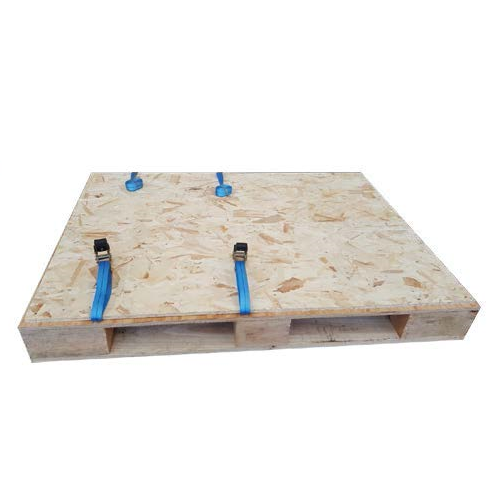
The bases with lashing system are also a very widespread solution for packaging healthcare equipment. This system allows fast and efficient fixing of the equipment to be transported by integrating the immobilization elements into the base of the box itself, reducing handling time.

Packaging for medical equipment

3. Immobilization

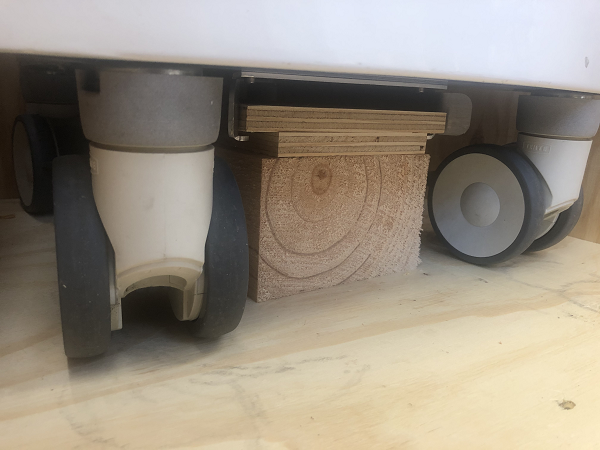
Once the goods have been packed, auxiliary elements are usually used to immobilize the load during transport in order to avoid possible incidents during the journey due to incorrect lashing.

Health Equipment Packaging

4. Control

If necessary, active or passive monitoring of the cargo during transport is possible. There are a multitude of systems for monitoring the goods, from humidity detection stickers to complex electronic tracking devices.


If you are a manufacturer and you are looking for a new packaging for your medical devices, implement sustainable packaging or optimize your logistics process, contact us.  We will offer you a customized solution.

Loading

Custom packaging for Electrical Equipment

Why should you use customized packaging for electrical equipment?


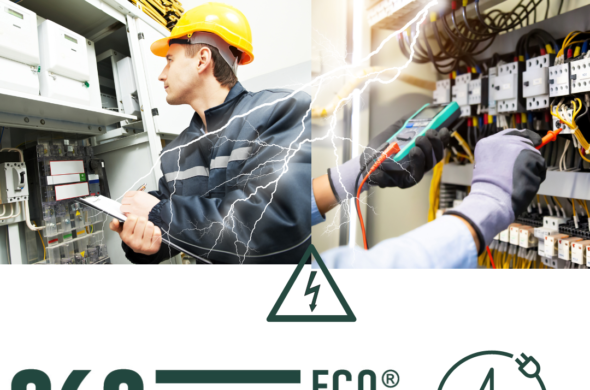
The use of customized packaging for electrical equipment is important because electrical equipment manufacturers work with high-value, often fragile and heavy equipment and products. Engineering, industrial and energy solutions in the sector increasingly have connections and finishes where the slightest knock can render the product unusable and result in financial loss.

This is why the supply chain in this field is one of the most demanding in terms of transport and storage, requiring packaging that offers maximum safety during the various stages of distribution.

The electrical and energy sector is also one of the most concerned with reducing its carbon footprint, so there is growing interest in the implementation of sustainable packaging.


What are the advantages for electrical equipment manufacturers of using customized packaging?


For packaging companies this poses a major challenge. For us, it is essential to carry out a technical-economic study on the basis of which we design the most efficient packaging solution to help optimize the logistics process.

In most cases, custom-made packaging is the best option, as it offers significant advantages:

  1. By adapting to the goods, they guarantee integral protection during transport.
  2. The mobility and handling of products is more efficient, saving on packaging time and auxiliary packaging costs.
  3. By reducing the use of unnecessary material, space is used and excess waste is avoided.


Wooden packaging for electrical equipment and components


Due to their strength and versatility, wood packaging for the electrical sector has proven to be the most efficient for your supply chain.

electric industry

Our wooden crates are manufactured with high quality materials, shock and humidity resistant. They have ISPM 15 Certification for international trade, being valid for all types of transport (air, sea and land).

Assembly and disassembly does not require the use of tools or nails. It can be handled quickly and safely, and once disassembled it occupies one fifth of its size, saving storage costs.

As it is modular, it can be fully utilized, since it can be used in components. The base can be used for auxiliary transports before the box is completely closed for shipping.


Success story: Registered fastening system for electrical cabinets


If you follow our blog, you will already have noticed the importance of packaging aids for securing the load during transport.

Lashing and securing elements are necessary complements because they provide additional protection.

At 360 Eco Packaging, we are always thinking about new packaging solutions, so we have investigated how to incorporate fastening systems to the packaging itself without altering its properties.

And Eureka, the result is an innovative interior REGISTERED LASHING SYSTEM FOR ELECTRICAL CABINETS .

Registered system for electrical cabinets

With this device we are able to fix the cabinet quickly and efficiently, by integrating the immobilization elements into the base of the box itself.

Registered system for electrical cabinets

Thanks to this system we have eliminated unnecessary packaging aids, such as pallets, supports, cleats… In this way we manage to optimize the weight and interior volume, which translates into a reduction of logistics and transportation costs for our customers, especially in air shipments.


In 360 Eco Packaging we have a wide experience in packaging for industrial sectors.

Contact us and take advantage of the economic and environmental benefits of using customized packaging for your product.

Loading

How packaging can help achieve the 2030 Agenda goals

The 2030 Agenda for Sustainable Development is a roadmap signed by UN member states in 2015 that seeks to achieve development that respects the planet and its inhabitants. That is, to do more with less.

This plan is articulated in 17 Sustainable Development Goals (SDGs), divided in turn into 169 targets, for which it requires the participation of the international community, including public and private entities such as companies, universities or governments.

This change involves all sectors and packaging was not going to be less.


Strategies for sustainable packaging – Agenda 2030

Packaging is a fundamental link in the organization of agile, efficient and environmentally responsible logistics chains.

Packaging manufacturers can help companies to be part of the change, developing strategies based on circular economy, which respond to SDG 12 “Sustainable production and consumption”, in line with European and state regulations. Among them:

  • Assess the environmental impact of our customers’ packaging and logistics processes and introduce improvement proposals to reduce the use of materials, energy and waste.
  • Prioritize the use of recyclable and/or biodegradable materials.
  • Work from eco-design to avoid over-packaging, adapting the packaging to the product or merchandise.
  • Optimize packaging processes, opting for reusable solutions that extend its useful life and contribute to minimize space, reduce transport flows and CO2 emissions.
  • Transparently communicate sustainability certifications and seals.
  • Establish alliances with suppliers committed to sustainability.


Our commitment to the 2030 Agenda

As a supplier of sustainable packaging, we have been developing comprehensive solutions in the field of logistics, transport and packaging for years. This has enabled us to make progress on several goals of the 2030 Agenda and to consider new ones:

Title

Goal 8: Decent work and growth

We believe in the labor integration of young people. Since our inception, we have collaborated with public services in training programs taught at our facilities.

We also collaborate in job placement programs, such as the Incorpora Program of La Caixa.

Title

Objective 9: Industry, Innovation and Infrastructure

We participate as a member of the Subcommittee CTN 192 SC 03 (UNE/ISO) for the development of a new regulation in the field of transport of dangerous goods, together with AENOR and the Ministry of Industry.

We belong to the Packaging Innovation Cluster of the Valencian Community and collaborate with technological centers such as AIDIMME or ITENE.

Title

Objective 12: Sustainable production and consumption

We subject our manufacturing processes to quality control systems. We are ISO9001, PEFC/FSC (chain of custody) and ISPM 15 (phytosanitary regulations for export) certified.


In addition, our flagship product, the Clipping Crate ®, is a reusable and removable crate model.

Title

Title

Goal 13: Climate Action

We design and manufacture sustainable and returnable packaging based on technical and economic feasibility studies, allowing customers to produce less waste and reduce CO2 emissions.

Title

Packaging 2030

Objective 15: Terrestrial ecosystem life

We are committed to the conservation and sustainable management of forests. We are a PEFC/FSC certified company, which accredits our products as coming from sustainable logging or recycling.

Loading

What will be new in Packaging in 2023?


The way companies distribute their products is constantly evolving. Aspects as diverse as legislation, profitability, innovation and consumer preferences condition the changes to which logistics processes are subjected in order to meet quality, safety and efficiency requirements.


As far as packaging design is concerned, everything indicates that packaging in the year 2023 will continue to follow the path of sustainability it has taken in recent years, albeit under the imperative of regulations that will entail new fiscal obligations.

Packaging

As manufacturers of packaging solutions, we review the main innovations that 2023 will bring to the packaging sector.


Plastic tax

The Law on Waste and Contaminated Soils for a Circular Economy, which was passed last year, aims to improve the management of waste generated in Spain. Among other measures, it has established a “green tax” on plastic, in force since January 1.


According to this, all non-reusable primary, secondary or tertiary packaging containing plastic will be subject to a charge of €0.45/kg. This amount may be reduced if part of the product comes from recycled material.


Ecodesign

Spanish companies have been working for years to incorporate sustainability into their production processes in order to reduce their environmental footprint.


In fact, last year more than 2,000 Spanish companies implemented 4,632 sustainable design measures to reduce the environmental impact of their packaging.

Packaging

Achieving the EU’s reduction, reuse and recyclability objectives means knowing the principles of ecopackaging and knowing how to apply them to the design and development of sustainable packaging.


The trend will continue to be to opt for packaging that, with the minimum amount of material possible, guarantees product protection throughout the distribution chain, reducing environmental impact and the economic cost associated with transportation, while meeting consumer expectations.


Growth of online commerce

Online commerce will continue to grow, which will have an impact on packaging and logistics. Demand for packaging solutions such as corrugated boxes and products for protecting and cushioning goods will increase, and new specialty packaging and customized shipping options will emerge.

Ecommerce

Smart packaging

The use of technology applied to the field of packaging is driving a new generation of packaging. We are talking about smart packaging, which is increasingly being applied in the food, pharmaceutical and cosmetics industries.


Packaging that will change color if the product is about to expire, or that emits particles for preservation, will see the light of day throughout the year.

It is becoming increasingly common to integrate smart labels, RFID, QR codes and NFC chips into packaging. These devices provide more and better information on product quality, storage conditions and traceability.


Automation with “Pick and Place” robots will also be extended to more industries in order to bring more efficiency and flexibility to packaging processes.


What do you think of these changes, and would you add any more to the list?

Loading

X