Tag Archives: industrial packaging

Securing loads with Airbags

When determining the right packaging, many aspects must be taken into account. One of them is the fixation and adjustment of loads. For this purpose, multiple systems and pneumatic elements are used to ensure that our shipment arrives in optimal conditions.

One of the most commonly used are dunnage bags or airbags for packaging.
Securing loads with Airbags

What are packaging airbags?

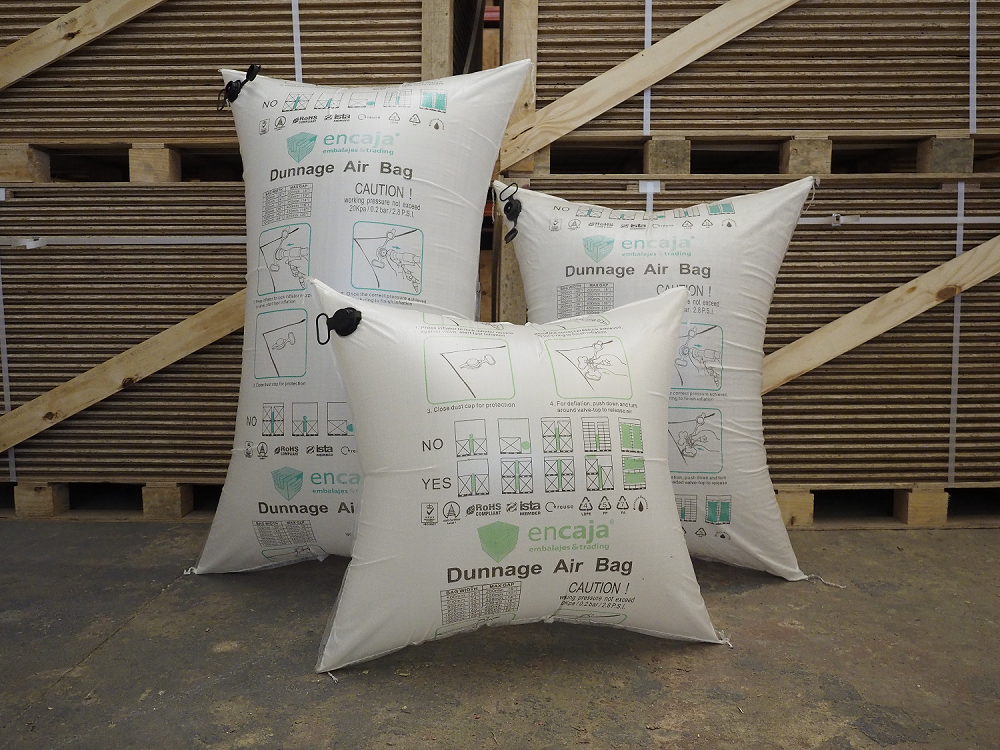
Packaging airbags, dunnage bags or inflatable bags are used to protect goods during transport. Their function is to fill the empty spaces between the cargo or between the cargo and the walls of the transport unit, keeping it immobile in order to reduce the possibility of damage during transport.

These bags are very easy to use. They are filled with air through a valve to the required pressure. Airbags are available in different sizes, depending on the use and load.

Securing loads with Airbags

Which airbag do I need to protect my cargo?

Airbags can be used in land, sea or rail transport. To know what type of airbag we will need, the first thing we must know is the volume and weight of the cargo to be transported (to define the working pressure of the airbag), as well as the operating time of this airbag. Once these parameters have been set, we will check the manufacturer’s technical data sheet to see if it adapts to our needs.

Most manufacturers comply with the AAR Bulletin No. 9 (Association of American Railroads), the most widespread international standard, which classifies these pneumatic elements into 5 levels, according to the type of transport and the operating pressure.

Securing loads with Airbags

As shown in the table, the different types of transport are classified according to the working pressure. This is because this standard contemplates pressure tests after 19 days, allowing a load loss of no more than 1psi. In other words, for long transports we must generally use level 2 airbags or higher (more working pressure).

Once we have defined the type of air bag we need, we will have to design a system of loads as homogeneous as possible, using these elements to adjust the loads.

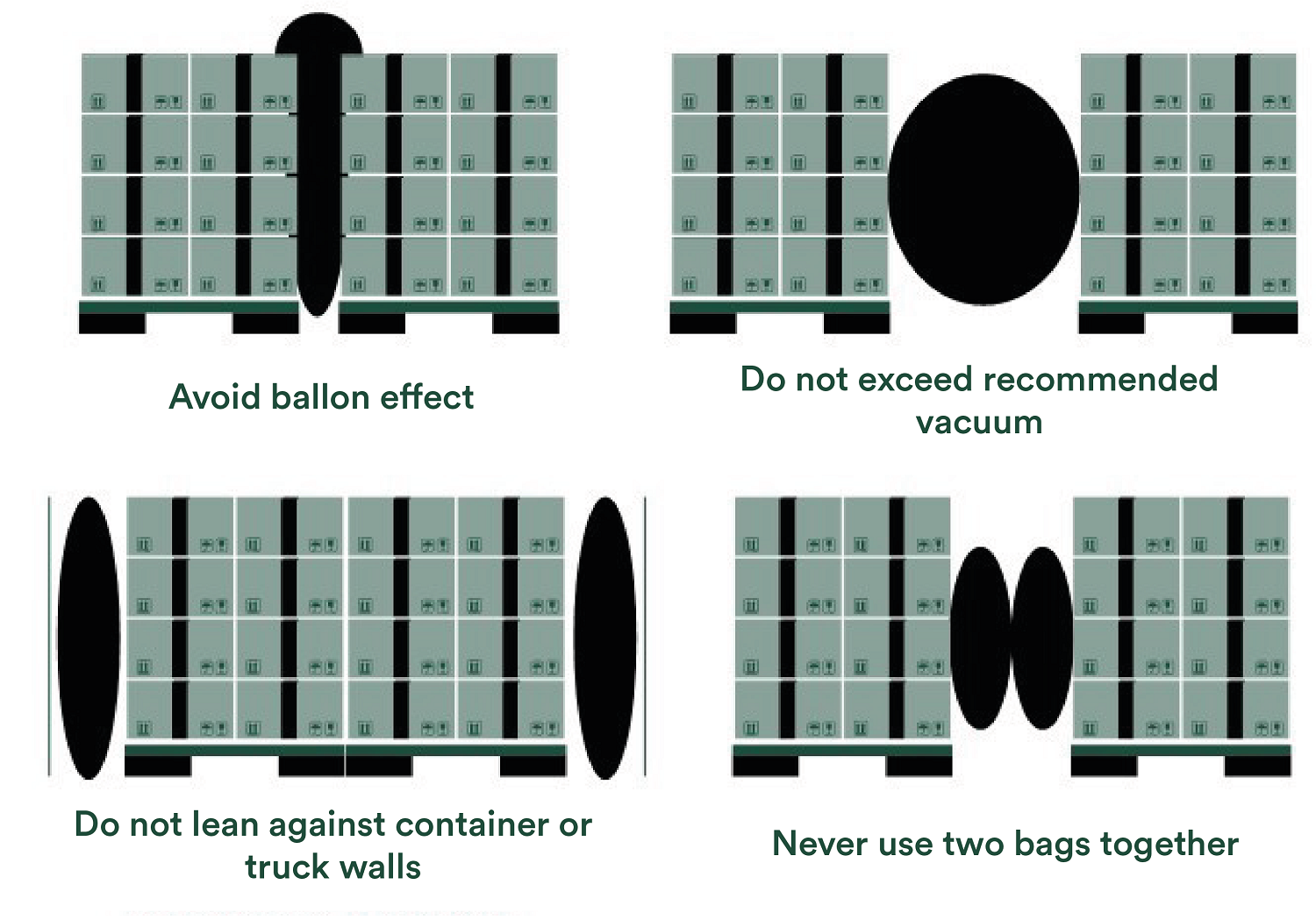
To do this, we can take into account the guidelines of the CTU 2014 code, which, among other issues, details the different misuses that can occur when applying this system.
Securing loads with Airbags

Types of airbags and characteristics

They can be made of different materials, depending on their resistance to external agents in case of possible rupture.

There are basically two types, depending on the material they are made of:

  • Raffia:

These are bags or sacks consisting of an inner layer of polyethylene and a top layer of raffia, a type of elastic fabric widely used for packaging due to its resistance.

  • Kraft paper:

They have an inner layer of polyethylene and a top layer of Kraft paper reinforced with polypropylene to prevent tearing.

In both cases, they are durable, reusable and waterproof, providing an efficient solution to protect cargo during transportation.


If you need advice, consult a reliable supplier to help you choose the best option.

Loading

Cardboard, a strategic packaging for the Circular Economy

In a Circular Economy model where waste becomes a resource, the paper and board industry has a key role to play.


We know that the future of packaging involves incorporating sustainable materials, reducing the ecological footprint associated with its production and use, and that its waste can be revalued, without neglecting the purpose for which it is designed: to protect the product. In this future, cartonboard packaging will be a priority.


Cardboard as a sustainable packaging material


Cardboard is a natural, renewable, recyclable and biodegradable material. In recent years, it has been replacing other traditional packaging materials such as plastic.

Cardboard, a strategic packaging for the Circular Economy

Paper and cardboard fibers are also much stronger than previously thought. It has been shown that fiber-based packaging material – paper, cardboard, paperboard and folding cartons – can be recycled more than 25 times, retaining their mechanical properties for re-integration into the production process.

This makes it one of the most sustainable materials in the packaging sector and one of the preferred packaging solutions for the consumer.

Cardboard, a strategic packaging for the Circular Economy

Why is cardboard packaging preferred by consumers?


The way companies package their products is a matter of concern for consumers, influencing their purchasing decisions.

The European Association of Carton and Cartonboard Manufacturers reveals that 4 out of 5 consumers prefer cartons to plastic. In its report, it says that more than half of the consumers surveyed in Spain claim to have switched brands because the packaging was not recyclable or because they used unnecessary packaging. It adds that 82 percent would be willing to pay more for environmentally friendly packaging.

Cardboard, a strategic packaging for the Circular Economy

Most commonly used carton packaging

For companies interested in incorporating circularity into their packaging, cardboard packaging represents a zero-waste system of significant social, economic and environmental value.

Because of its versatility, it can be used throughout the packaging chain:

  1. Primary packaging, which is directly in contact with the product.

  2. Packaging for Ecommerce.

  3. Cargo units for storage and transport of consumer goods.

  4. Protective elements, such as interior fillers to pack merchandise shipments, or corners to avoid friction during transport.

The most commonly used cartons are:

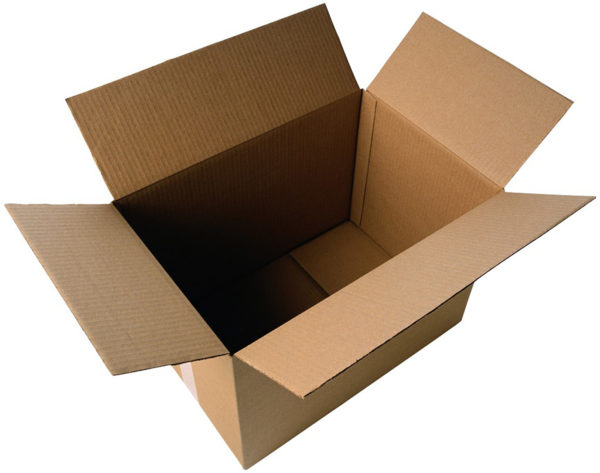
Corrugated cardboard boxes

Can be used in standard size or large volume for packing and palletizing light and heavy goods. They are foldable, which facilitates storage, reducing space.


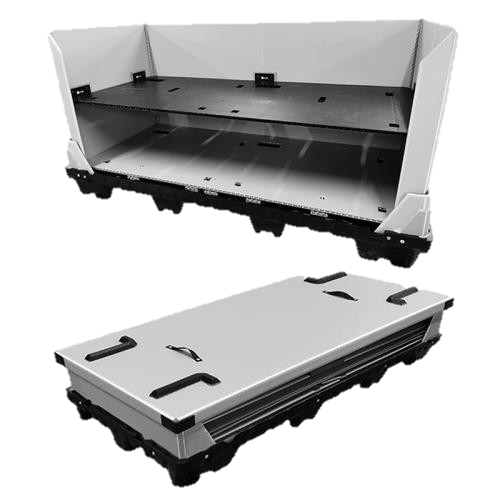
Pallet boxes

They are corrugated cardboard boxes placed on a wooden pallet or cardboard. Its use as commercial exhibitors has been extended by its profitability, since they serve both as product container shelf and advertising support, because the cardboard can be easily printed and incorporate gaps or shelves to place the product.


The cardboard pallet

Consists of corrugated cardboard sheets and solid cardboard blocks that are inserted as pillars. Resistant and lighter than the wooden pallet, it is also valid for international transport, without having to undergo phytosanitary treatment.


The road map to a Circular Economy is written on cardboard.


Contact us if you are interested in adding reusable packaging to your logistics.

Loading

What is the Best Packing Material

We begin by showing you a list of some of the most common packaging materials and their main advantages.

The choice of the best packaging material depends on the type of product to be transported or stored, as well as the conditions to which it will be exposed.


Cardboard:

It is a versatile and economical packaging material that is commonly used for boxes and packaging. It is durable and easy to recycle.

What is the Best Packing Material

Plastic:

It is a durable and durable packaging material, making it ideal for products that require protection against water or moisture. However, it can sometimes be difficult to recycle.

What is the Best Packing Material

Wood:

It is used for the manufacture of packaging that requires greater resistance to shocks and impacts, such as drawers or industrial pallets.

What is the Best Packing Material

Taking into account everything seen above, we conclude that there is no material that is best for all situations, but it is important to carefully assess the needs of each product and the conditions to which it will be exposed in order to determine the most suitable packaging material.

Loading

Main Types Of Cardboard

Cardboard is a material formed by the superposition of paper, which gives it greater strength and hardness than paper. It is one of the most widely used elements in the packaging sector, both in the construction of boxes and in the design of molds that fit inside them to hold goods.

X